


info@kps.com.vn
+84 903 709 019
Smart smoke detectors not only help detect potential fire hazards early, but also bring a sense of security to your home. Through smartphone-connected smoke detectors, people can reduce fire-related risks. With modern features like wireless connectivity via Wi-Fi or Bluetooth, these devices become an optimal solution, protecting your property and life, no matter where you are.
A smart smoke detector is a device that can detect smoke. When smoke is detected, it quickly triggers a fire alarm and sends a signal to a central control system or directly to your phone, activating an alarm and helping to detect dangerous situations in a timely manner.
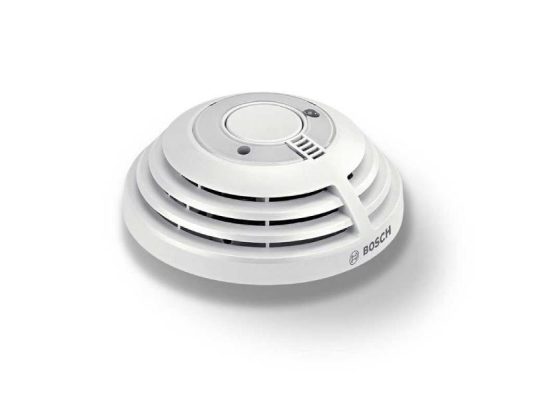
This device not only emits a loud alarm when smoke is detected, but it also sends alerts through an app, enabling users to respond promptly. With its compact design, easy installation, and affordable price, smart smoke detectors are now widely used, especially in residential areas and public spaces, providing peace of mind and safety for users.
In modern daily life, there are many factors that can lead to fires, such as gas leaks, electric stoves, etc. Even a small mistake can cause a fire. Installing smoke detectors helps you detect dangerous signs early, preventing fire incidents.
In reality, the early stages of a fire are the critical time to put out the fire and evacuate safely, avoiding the spread of flames and toxic smoke, which can cause suffocation and endanger lives.
Another advantage is the ability to alert remotely. Whether you're at home or away, the system sends alerts to your phone or computer, allowing you to call firefighters from afar, protecting your property and family, especially for households with children.
Smoke sensors are devices that automatically detect smoke and send signals to the nearest fire alarm, alerting the user.
Smart smoke detectors typically use one of two main types of smoke sensors:
Optical Smoke Sensor: Detects changes in light caused by smoke. When smoke enters the sensor chamber, the particles disrupt or change the intensity of the light beam, triggering the alarm system.
Ionization Smoke Sensor: Detects changes in ionized particles in the air. When smoke enters the sensor chamber, it disrupts the current between two electrodes, activating the alarm.
When smoke is detected, the device emits a loud alarm to draw attention from people in the vicinity. This sound is typically very loud, ranging from 85dB or higher, enough to wake a sleeping person or alert people in large spaces.
When smoke is detected, these devices can emit loud alarms and send alerts to users via smartphones or other devices as long as they are connected to the internet or Bluetooth. This allows homeowners or staff to react promptly, even when they're not physically present.
Smart smoke detectors often have the ability to integrate with other smart home systems. In case of an incident, the system can automatically trigger other actions such as:
Users can monitor the device through mobile apps, allowing them to track the operational status of the device, battery levels, and receive notifications of technical errors or maintenance requirements. The app also provides options for testing the device, ensuring it remains in good working condition.
Smart smoke detectors typically operate on batteries, with a lifespan of 1-5 years depending on the product. Some devices have a low battery alert feature, prompting users to replace the battery in time to ensure continuous operation.
The entire process from detecting smoke to triggering the alarm happens in seconds, enabling early detection and minimizing fire damage. Users can be notified even when they are not on site, allowing them to promptly call firefighters or alert others in the danger zone.
In Homes, smoke detectors help users detect fire risks while sleeping or when no one is home. With remote alert integration, homeowners can receive notifications on their phones and quickly handle the situation no matter where they are. This is especially important for households with children, the elderly, or continuous operation of electronic devices.
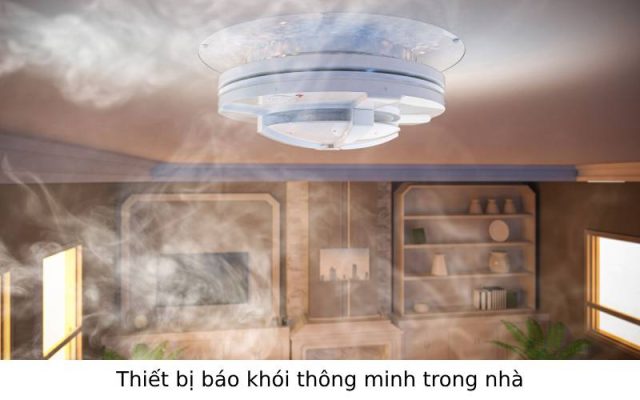
In Offices, which often house numerous electronic devices, important documents, and a large number of employees, smoke detectors ensure that any fire hazard is detected immediately. This helps create a safer work environment, protects company assets, and reduces the risk of work interruptions due to fire incidents.
Optical Sensor: Effective at detecting smoke from smoldering fires, such as when wood or fabric catches fire.
Ionization Sensor: Better at detecting smoke from fast-spreading fires, such as those caused by flammable liquids.
Integrated Sensors: Choose devices with both types of sensors for increased sensitivity and the ability to detect all types of smoke from different sources.
The device should be able to connect via Wi-Fi or Bluetooth to send alerts directly to a smartphone app, allowing users to receive alerts even when not at home or the office.
Choose a device with a long battery life (at least 1-5 years) to reduce the frequency of replacements. Many modern products also have low battery alerts to remind users to replace them on time.
Consider a device with a dual power source, using both backup batteries and direct electricity connection for enhanced safety.
The device should have a loud sound alarm, typically over 85dB, to immediately draw attention when smoke is detected.
Opt for devices with accompanying visual indicators and vibration, suitable for individuals with hearing impairments or in noisy environments.
An essential criterion for smart smoke detectors is the ability to send remote alerts to a smartphone. The device should be able to send alerts to multiple devices simultaneously, allowing family members or colleagues in different locations to receive timely information.
Some smart smoke detectors can activate sprinkler systems or shut down dangerous power sources when smoke is detected, preventing the fire from spreading.
Choose devices that can link with security systems or fire departments to send immediate alerts in case of a fire.
Other news

Signify and KPS sign strategic partnership agreement.
Signify and KPS have signed a strategic partnership to promote smart, energy-efficient lighting solutions for buildings in Vietnam.
View detail

From APEC 2017 Da Nang to APEC 2027 Phu Quoc: From traditional security solutions to smart IOCs.
From APEC 2017 security monitoring solutions to a smart IOC model for APEC 2027 in Phu Quoc.
View detail

Team Building KPS 2026 | Da Nang - Hoi An - Hue
KPS 2026 Team Building journey in Da Nang - Hoi An - Hue, where teams bond, recharge, and spread sustainable values.
View detail

Optimizing air conditioning based on room conditions in hotels and resorts.
Why do 20-30% of hotel rooms still have their air conditioning running even when there are no guests?
View detail

Energy-saving solutions for hotels and resorts - without compromising the experience.
Consulting and implementing EMS systems for hotels - reducing electricity costs, smarter operation - without compromising customer experience.
View detail

Energy Management System (EMS): Cost and Operation Optimization
EMS solutions help businesses monitor, analyze, and optimize energy in real time, saving 10-30% on electricity costs.
View detail
ABOUT KPS


Regulations and policies
Warranty and return policy Delivery, payment, and feedback Giấy phép kinh doanhContact Information
HO CHI MINH OFFICE
10–12 Dong Van Cong Street, Cat Lai Ward, Ho Chi Minh City.
+842839976099 / 903 709 019
info@kps.com.vn
www.kps.com.vn
Work time
Monday – Friday : 8:00 AM - 17:30 PM
Saturday - Sunday: Off
HA NOI OFFICE
22 Alley 168 Nguyen Xien, Khuong Dinh Ward, Hanoi City
+84 903 709 019
kpshn@kps.com.vn
www.kps.com.vn
Work time
Monday – Friday: 8:00 AM - 17:30 PM
Saturday - Sunday: Off
DA NANG OFFICE
490 Nguyen Tri Phuong, Hoa Cuong Ward, Da Nang City
+84 903 709 019
kpsdn@kps.com.vn
www.kps.com.vn
Work time
Monday – Friday: 8:00 AM - 17:30 PM
Saturday - Sunday: Off
CAN THO OFFICE
11/11 Tran Binh Trong, Ninh Kieu Ward, Ninh Kieu District, Can Tho City.
+84 090 709 019
kpsct@kps.com.vn
www.kps.com.vn
Work time
Monday – Friday: 8:00 AM - 17:30 PM
Saturday - Sunday: Off
SERVICE CENTER - WAREHOUSE
10–12 Dong Van Cong Street, Cat Lai Ward, Ho Chi Minh City.
+ 84 28 3997 0609
baohanh@kps.com.vn
www.kps.com.vn
Work time
Monday – Friday: 8:00 AM - 17:30 PM
Saturday - Sunday: Off
2010 © Bản quyền thuộc KPS
Online: 79 | Visitors Counter: 17756105
About | Recruitment | News | Contact Us


