


info@kps.com.vn
+84 903 709 019
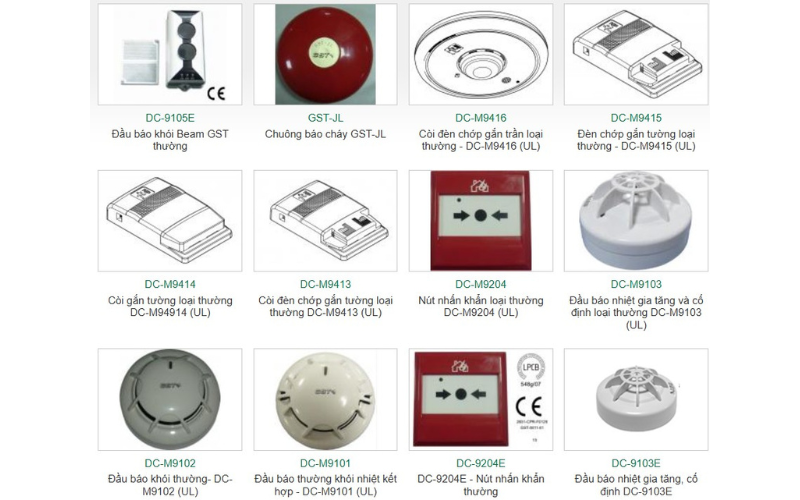
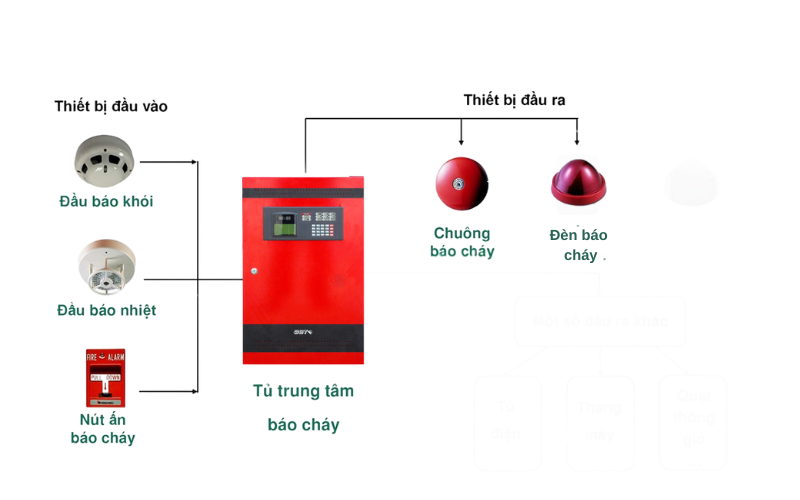
A conventional fire alarm system operates on the principle of early detection of fire hazards such as smoke, sudden temperature increases, or direct user intervention through a manual call point. The specific operation process is as follows:
The conventional fire alarm system is designed to quickly detect early signs of a fire. Devices like smoke detectors and heat detectors play a crucial role in this process. Smoke detectors identify the presence of smoke in the air, one of the earliest indicators of a potential fire. Meanwhile, heat detectors activate when the temperature in the area rises beyond a safe threshold. Additionally, the system is equipped with manual call points, allowing users to manually send an alert when they detect a fire before the detectors are triggered.
When one of the detection devices identifies a potential fire, a signal is immediately sent to the fire alarm control panel. This component acts as the system's central management and control hub. The control panel analyzes the received signal, determines the zone where the incident occurred, and prepares to issue appropriate warning responses.
Upon verifying the signal, the control panel activates the alarm system to alert people in the danger zone. Warning devices such as bells, sirens, or strobe lights are triggered to emit sound or light signals, drawing attention to the emergency. The alarm will continue to sound until the responsible personnel turn off or reset the system.
Installing a conventional fire alarm system is a crucial fire prevention measure that offers numerous practical benefits for both people and property.
Timely Warning: A fire alarm system helps detect a fire at its earliest stages when it is still small and manageable.
Increased Escape Time: Early detection provides more time for people to evacuate safely from the danger zone.
Reduced Risk to Human Life: Early alerts enable people to escape in time, minimizing the risk of injury or loss of life.
Protection of Property: Prompt detection and response can prevent extensive property damage, safeguarding your assets.
Prevent Fire Spread: The system can activate other devices such as gas release valves or automatic door closures to contain the fire.
Protect Valuable Assets: Critical assets like documents and electronic equipment are better protected.
Prevent Spread to Nearby Areas: Early detection and suppression of a fire help safeguard surrounding areas.
Create a Safe Living Environment: A well-functioning fire alarm system fosters a safer living and working environment for everyone.
Meet Fire Safety Regulations: Installing a conventional fire alarm system is a legal requirement for many types of buildings.
Avoid Legal Risks: Failure to comply with fire safety regulations can lead to serious legal consequences.
Reduced Anxiety: Having a fire alarm system in place provides reassurance to you and your family.
Enhanced Work Efficiency: Working in a safe environment allows everyone to focus more effectively on their tasks.
Low Investment Cost
Conventional fire alarm systems are more affordable to install and maintain compared to addressable systems. This makes them ideal for small and medium-sized facilities like homes, shops, or offices that want to ensure fire safety on a budget.
Ease of Installation and Operation
These systems are simple in design, requiring fewer complex components. As a result, they are easier to install and operate, even for individuals with minimal technical expertise.
Suitable for Various Small Facilities
The system is ideal for small or medium-sized premises where detailed monitoring of every fire point is unnecessary. It works effectively in areas such as homes, small offices, and storage spaces.
Flexible Scalability
The system allows for expansion by adding new zones without overhauling the entire system structure.
Limited Monitoring Capability
A conventional fire alarm system can only identify the zone where the fire occurs, but it cannot pinpoint the exact device or specific location of the fire. This may slow down the process of identifying the fire source.
Unsuitable for Large Facilities
In large buildings, factories, or industrial zones, using a conventional system can make managing and responding to incidents more challenging due to its inability to pinpoint the exact fire location.
Manual Maintenance Requirement
The system does not automatically check the operational status of devices. Regular manual inspections and maintenance are required to ensure all components function properly.
Limited Technological Upgradability
Compared to addressable fire alarm systems, conventional systems offer fewer advanced features, such as integration with smart control systems or remote connectivity.
Selecting a suitable conventional fire alarm system for a building is crucial to ensure safety, efficiency, and cost-effectiveness.
The scale of the building directly impacts the choice of the fire alarm system.
Devices such as smoke detectors, heat detectors, manual call points, alarm bells, or sirens should be selected based on the environment and building requirements.
The system should be easily expandable to meet future needs, particularly when there are changes in building size or safety requirements.
The devices should be of high quality and reliability to ensure accurate operation during emergencies.
Both initial investment and periodic maintenance costs are key considerations.
The system should provide clear and timely alarm signals to alert occupants in the event of a fire.
The fire alarm system should be user-friendly and easy to maintain.
Selecting a reputable supplier is crucial for obtaining quality products, reliable support, and maintenance services.
Step 1: Planning
Before installation, detailed planning is essential, including:
Step 2: Installation Execution
Follow the planned design carefully. Key tasks include:
Step 3: Inspection and Handover
Final checks before handing over the system to users include:
To ensure continuous and effective operation, follow these practices:
With over 14 years of experience in providing fire alarm equipment and comprehensive fire safety solutions, KPS is one of the leading professional and reliable suppliers in Vietnam. We specialize in distributing and installing high-quality conventional fire alarm systems that meet international safety standards, ensuring peace of mind for our customers, from families and businesses to large-scale projects.
KPS offers genuine fire alarm products from world-renowned brands such as:
KPS provides not just products but also comprehensive fire protection solutions. From site surveys, system design, installation, to maintenance and regular inspections, our team ensures optimal system performance to protect your premises at all times.
At KPS, customers receive top-notch professional services:
KPS’s products are certified by international standards such as UL (Underwriters Laboratories), EN54 (European Standards for Fire Detection), and ISO 7240, ensuring reliability and safety.
KPS is committed to providing maximum safety for your property through high-quality products and services. We are ready to support our customers throughout the lifecycle of the fire protection system, from consultation, installation, and maintenance to upgrades.
Stay updated with the latest news on our Facebook Fanpage: KPS System Corp
Other news

Signify and KPS sign strategic partnership agreement.
Signify and KPS have signed a strategic partnership to promote smart, energy-efficient lighting solutions for buildings in Vietnam.
View detail

From APEC 2017 Da Nang to APEC 2027 Phu Quoc: From traditional security solutions to smart IOCs.
From APEC 2017 security monitoring solutions to a smart IOC model for APEC 2027 in Phu Quoc.
View detail

Team Building KPS 2026 | Da Nang - Hoi An - Hue
KPS 2026 Team Building journey in Da Nang - Hoi An - Hue, where teams bond, recharge, and spread sustainable values.
View detail

Optimizing air conditioning based on room conditions in hotels and resorts.
Why do 20-30% of hotel rooms still have their air conditioning running even when there are no guests?
View detail

Energy-saving solutions for hotels and resorts - without compromising the experience.
Consulting and implementing EMS systems for hotels - reducing electricity costs, smarter operation - without compromising customer experience.
View detail

Energy Management System (EMS): Cost and Operation Optimization
EMS solutions help businesses monitor, analyze, and optimize energy in real time, saving 10-30% on electricity costs.
View detail
ABOUT KPS


Regulations and policies
Warranty and return policy Delivery, payment, and feedback Giấy phép kinh doanhContact Information
HO CHI MINH OFFICE
10–12 Dong Van Cong Street, Cat Lai Ward, Ho Chi Minh City.
+842839976099 / 903 709 019
info@kps.com.vn
www.kps.com.vn
Work time
Monday – Friday : 8:00 AM - 17:30 PM
Saturday - Sunday: Off
HA NOI OFFICE
22 Alley 168 Nguyen Xien, Khuong Dinh Ward, Hanoi City
+84 903 709 019
kpshn@kps.com.vn
www.kps.com.vn
Work time
Monday – Friday: 8:00 AM - 17:30 PM
Saturday - Sunday: Off
DA NANG OFFICE
490 Nguyen Tri Phuong, Hoa Cuong Ward, Da Nang City
+84 903 709 019
kpsdn@kps.com.vn
www.kps.com.vn
Work time
Monday – Friday: 8:00 AM - 17:30 PM
Saturday - Sunday: Off
CAN THO OFFICE
11/11 Tran Binh Trong, Ninh Kieu Ward, Ninh Kieu District, Can Tho City.
+84 090 709 019
kpsct@kps.com.vn
www.kps.com.vn
Work time
Monday – Friday: 8:00 AM - 17:30 PM
Saturday - Sunday: Off
SERVICE CENTER - WAREHOUSE
10–12 Dong Van Cong Street, Cat Lai Ward, Ho Chi Minh City.
+ 84 28 3997 0609
baohanh@kps.com.vn
www.kps.com.vn
Work time
Monday – Friday: 8:00 AM - 17:30 PM
Saturday - Sunday: Off
2010 © Bản quyền thuộc KPS
Online: 74 | Visitors Counter: 17750356
About | Recruitment | News | Contact Us


