


info@kps.com.vn
+84 903 709 019
In the context of modern cities facing increasing population pressure and the explosion of transportation modes, cities must increasingly address challenges such as traffic congestion, accidents, and pollution. The Intelligent Transportation System (ITS) has emerged as a pioneering solution, allowing for real-time data collection and processing through advanced technologies like IoT, AI, Big Data, and 5G. Thanks to its ability to automatically coordinate traffic flow and optimize traffic signal systems, ITS not only helps reduce congestion but also contributes to building a safe, sustainable, and eco-friendly transportation infrastructure for future cities.
An Intelligent Transportation System (ITS) is a set of advanced technological solutions applied in traffic management and operations to optimize the movement of people and vehicles. ITS utilizes technologies like AI, IoT, Big Data, smart sensors, and telecommunications to enhance traffic efficiency, reduce congestion, improve safety, and protect the environment.
ITS not only helps improve transportation infrastructure but also brings positive impacts to cities and the economy.
Benefits of ITS for Cities:
Benefits of ITS for the Economy:
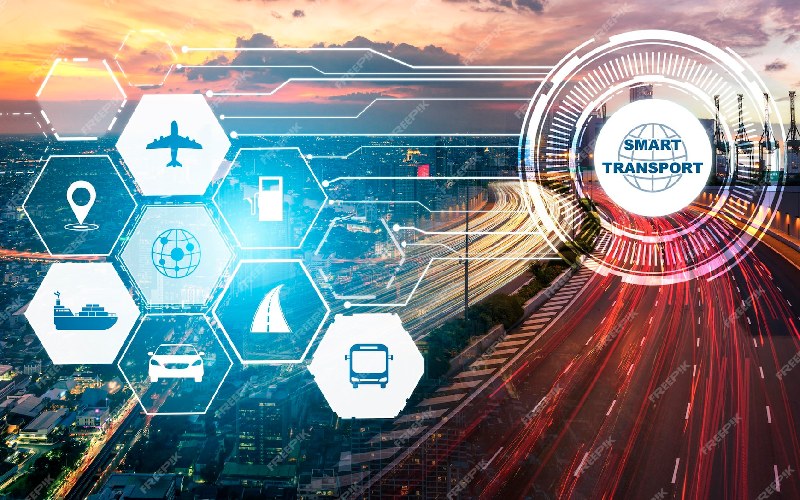
Intelligent Traffic Control Center The ITS Control Center is the nerve center for managing and operating urban traffic systems. It is where traffic data is received, analyzed, and processed in real-time to optimize flow, reduce congestion, enhance safety, and support effective traffic infrastructure management.
Main Functions:
Traffic Surveillance and Warning System A camera surveillance system integrated with AI and image recognition technology monitors, analyzes, and manages real-time traffic situations. This system helps detect traffic violations, measure vehicle flow, and support more effective traffic management.
Automatic Traffic Signal Control System This system uses sensors to measure vehicle flow, AI cameras, and optimization algorithms to adjust signal timings in real-time.
Electronic Toll Collection (ETC) System ETC is an intelligent transportation solution that allows automatic toll collection at toll booths without requiring drivers to stop or pay directly. It uses RFID tags, radio wave technology, or other recognition technologies to automatically detect vehicles and collect tolls as they pass through toll booths.
Traffic Information System for Participants This system provides real-time traffic information to help road users make effective, safe, and time-efficient travel decisions. It combines multiple technologies such as AI, IoT, Big Data, sensors, and mobile applications to collect, analyze, and transmit traffic data to participants.
Public Transport Management and Coordination System Technological solutions are applied to optimize the operation of public transportation, including buses, subways, trains, and other public transport. This system not only improves operational efficiency but also enhances passenger experience, reduces traffic congestion, and supports managers in making smart coordination decisions.
Smart Parking System The smart parking management system is a technological solution that uses sensors, connected devices, and software to manage, coordinate, and optimize parking space usage. This system not only helps drivers easily find and park their vehicles but also increases parking space utilization, reduces traffic congestion, and enhances user experience.
Reducing Traffic Congestion and Accidents
Traffic light management systems based on vehicle flow and real-time data help reduce congestion at traffic hotspots. These lights can automatically adjust their cycles based on vehicle volume, alleviating peak-hour traffic jams.
ITS supports traffic forecasting and diversion based on real-time data from sensors and surveillance cameras, rerouting vehicles to avoid congestion.
Sensors and surveillance cameras can detect potential hazards, such as near-collisions or unsafe driving, and alert drivers or the automated control system.
Smart AI cameras can detect traffic violations like running red lights, speeding, or improper driving. Timely detection and processing of traffic violations help prevent accidents and improve road safety awareness.
Traffic Management in Industrial Zones, Airports, and Ports
Sensors and automated systems assist in traffic management at high-traffic areas like ports and airports, optimizing vehicle flow and goods transportation.
ITS enhances traffic coordination in industrial zones where there is a high volume of vehicles and goods movement, improving safety, minimizing accidents, and optimizing operations.
Optimizing Logistics and Goods Transport
ITS helps optimize logistics routes, reducing wait times and transportation costs for freight companies.
It provides tools to monitor and coordinate delivery vehicles in real time, from warehouses to distribution points, tracking delivery statuses and managing vehicles.
Optimized routes and reduced travel time also lower CO2 emissions from transport vehicles, contributing to sustainable transport and environmental protection goals.
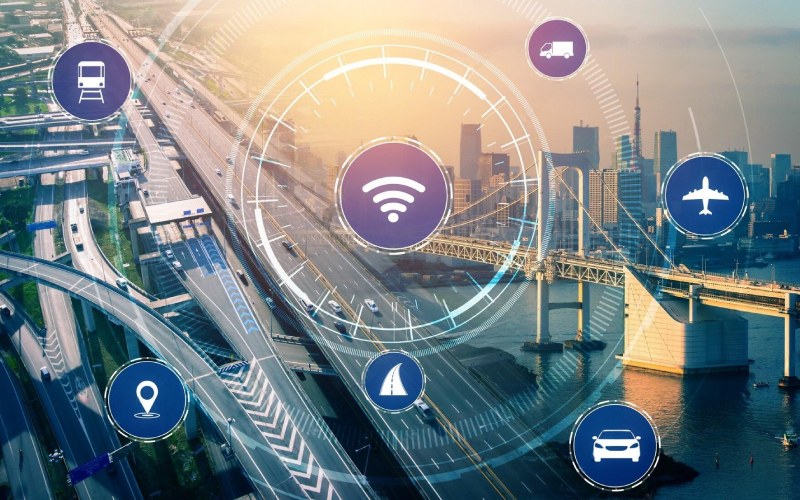
Integrating AI and Big Data in Traffic Management
Integrating AI and Big Data enhances the ability of cities and regions to improve traffic efficiency, optimize flow, and ensure safety. These technologies enable smart traffic systems (ITS) that analyze and process real-time data for accurate decision-making.
Big Data gathers massive amounts of data from traffic sensors, cameras, and mobile user data. This data is analyzed to identify traffic patterns and forecast congestion or accident-prone areas.
AI analyzes real-time data to predict potential risks, such as accidents or unsafe driving behaviors, and issue warnings to road users or traffic control centers.
AI can autonomously adjust traffic light cycles based on real-time traffic flow, optimizing traffic management and reducing congestion.
AI and Big Data optimize goods transportation routes by forecasting demand and traffic conditions, adjusting schedules to minimize costs and time.
AI helps optimize public transport schedules and frequency based on real-time user data and traffic flow, improving operational efficiency and reducing wait times.
Big Data analyzes user behavior and forecasts transportation needs in real time, improving public transport service in congested areas or during peak hours.
Self-Driving Vehicles and Vehicle-to-Everything (V2X) Applications
Integrating self-driving cars and V2X reduces traffic accidents by enabling quick, automated adjustments to vehicle behavior in dangerous situations.
V2X improves traffic coordination, optimizing vehicle flow, reducing congestion, and enhancing operational efficiency on roadways.
Self-driving cars combined with V2X save fuel, reduce CO2 emissions by moving smoothly, optimizing routes, and minimizing stop times.
Self-driving cars and V2X optimize routes and predict traffic issues, reducing travel time and operational costs.
IoT and Blockchain Applications in ITS Operations
IoT collects and transmits real-time data, while Blockchain ensures data security and transparency. This combination enhances traffic management, minimizes human intervention, and optimizes system performance.
Blockchain secures traffic data collected from IoT sensors, preventing data tampering and ensuring transparency and security in traffic management.
Using IoT and Blockchain reduces management costs, improves data collection and processing, and enables timely, accurate decision-making by city officials or traffic authorities.
IoT and Blockchain enable real-time traffic information, parking management, and automated payment systems, improving user convenience and traffic efficiency.
Smart Cities and Sustainable Transportation
Smart cities use advanced technologies to reduce emissions, such as integrating electric vehicles and optimizing traffic flow. Smart traffic systems reduce congestion, lowering air and noise pollution.
Smart cities offer efficient public transport systems, promoting the use of green transport options like electric vehicles, bicycles, and eco-friendly buses. These vehicles reduce pollution and mitigate traffic congestion.
Smart traffic systems manage and optimize traffic flow, using IoT sensors and Big Data to provide real-time information and adjust traffic signals accordingly.
Smart cities encourage diverse transportation options like bicycles, electric vehicles, smart taxis, and public transport to increase accessibility for everyone, especially low-income residents and those in peripheral areas.
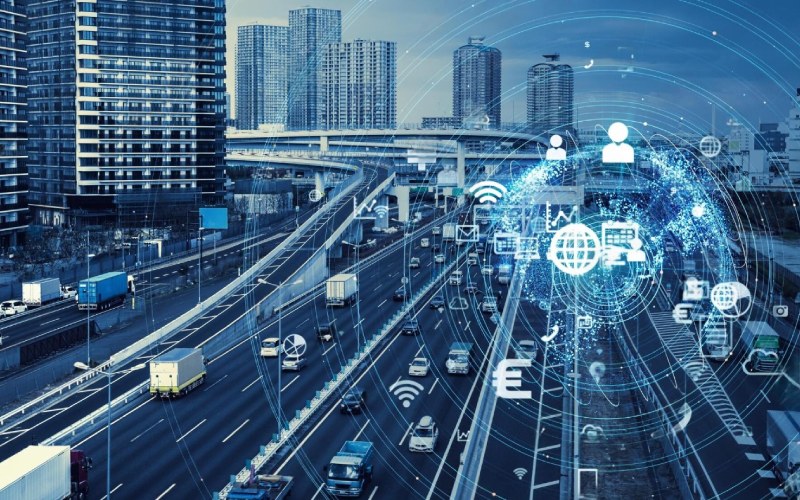
Representative ITS Projects in Vietnam
The electronic toll collection system (ETC) on highways like Nội Bài - Lào Cai, Hà Nội - Hải Phòng uses RFID technology and ePass cards.
Intelligent Traffic Management Centers
Hà Nội: The Japan International Cooperation Agency (JICA) project deploys surveillance cameras, electronic signs, and smart traffic lights on main roads like Phạm Văn Đồng and Võ Chí Công.
TP.HCM: The Urban Traffic Management and Control Center (UTMC) monitors over 800 cameras, using AI to analyze traffic flow.
Smart Bus Management Applications
BusMap (TP.HCM): Provides real-time bus arrival times and optimal routes.
eTicket (Hà Nội): Electronic tickets using magnetic cards and QR codes at bus stations like Mỹ Đình and Gia Lâm.
Smart Parking Systems
TP.HCM: Parking Finder helps locate available parking spaces in districts 1 and 3 using IoT sensors.
Đà Nẵng: Deploying license plate recognition technology in the city center.
Adaptive Traffic Signals
Hà Nội & TP.HCM: Installing automated traffic lights that adjust based on traffic flow at intersections like Ngã Tư Sở (Hà Nội) and Ngã Tư Hàng Xanh (TP.HCM).
Environmental and Safety Monitoring
Hà Nội: Air quality sensors (AQI) on roads like Kim Liên and Trần Duy Hưng.
TP.HCM: Cameras detecting violations (e.g., running red lights, speeding) linked to the police database.
Government Support and Investment Trends
The Vietnamese government is promoting ITS development through national strategies, tax incentives, financial support, and public-private partnerships (PPP). There is also a focus on infrastructure investments, including smart traffic lights and automatic toll collection systems. Vietnam is collaborating with developed nations like Japan and South Korea to share knowledge and attract investment.
Challenges and Opportunities for ITS in Vietnam
Challenges: Issues include lack of infrastructure integration, limited funding, shortage of skilled personnel, and the need for standardized regulations. Public awareness and cybersecurity concerns also remain challenges.
Opportunities: Rapid urbanization, government support, and the adoption of technologies like AI, IoT, and Big Data offer significant growth potential for ITS in Vietnam.
KPS is proud to be one of the leading providers of Intelligent Transportation Systems (ITS) solutions in Vietnam. Not only does KPS implement ITS, but we are also a distributor and partner of reputable brands across various fields such as Security, Fire Protection, Smarthome, BMS, etc., helping clients build integrated, modern systems while optimizing costs.
KPS products are not only independent but also easily connect and synchronize with smart building management systems (BMS) and IoT applications, creating a seamless electronic ecosystem that optimizes operational efficiency.
KPS looks forward to accompanying you on the journey of building smart and sustainable infrastructure.
Contact KPS for the most suitable solution for your project.

Other news

Signify and KPS sign strategic partnership agreement.
Signify and KPS have signed a strategic partnership to promote smart, energy-efficient lighting solutions for buildings in Vietnam.
View detail

From APEC 2017 Da Nang to APEC 2027 Phu Quoc: From traditional security solutions to smart IOCs.
From APEC 2017 security monitoring solutions to a smart IOC model for APEC 2027 in Phu Quoc.
View detail

Team Building KPS 2026 | Da Nang - Hoi An - Hue
KPS 2026 Team Building journey in Da Nang - Hoi An - Hue, where teams bond, recharge, and spread sustainable values.
View detail

Optimizing air conditioning based on room conditions in hotels and resorts.
Why do 20-30% of hotel rooms still have their air conditioning running even when there are no guests?
View detail

Energy-saving solutions for hotels and resorts - without compromising the experience.
Consulting and implementing EMS systems for hotels - reducing electricity costs, smarter operation - without compromising customer experience.
View detail

Energy Management System (EMS): Cost and Operation Optimization
EMS solutions help businesses monitor, analyze, and optimize energy in real time, saving 10-30% on electricity costs.
View detail
ABOUT KPS


Regulations and policies
Warranty and return policy Delivery, payment, and feedback Giấy phép kinh doanhContact Information
HO CHI MINH OFFICE
10–12 Dong Van Cong Street, Cat Lai Ward, Ho Chi Minh City.
+842839976099 / 903 709 019
info@kps.com.vn
www.kps.com.vn
Work time
Monday – Friday : 8:00 AM - 17:30 PM
Saturday - Sunday: Off
HA NOI OFFICE
22 Alley 168 Nguyen Xien, Khuong Dinh Ward, Hanoi City
+84 903 709 019
kpshn@kps.com.vn
www.kps.com.vn
Work time
Monday – Friday: 8:00 AM - 17:30 PM
Saturday - Sunday: Off
DA NANG OFFICE
490 Nguyen Tri Phuong, Hoa Cuong Ward, Da Nang City
+84 903 709 019
kpsdn@kps.com.vn
www.kps.com.vn
Work time
Monday – Friday: 8:00 AM - 17:30 PM
Saturday - Sunday: Off
CAN THO OFFICE
11/11 Tran Binh Trong, Ninh Kieu Ward, Ninh Kieu District, Can Tho City.
+84 090 709 019
kpsct@kps.com.vn
www.kps.com.vn
Work time
Monday – Friday: 8:00 AM - 17:30 PM
Saturday - Sunday: Off
SERVICE CENTER - WAREHOUSE
10–12 Dong Van Cong Street, Cat Lai Ward, Ho Chi Minh City.
+ 84 28 3997 0609
baohanh@kps.com.vn
www.kps.com.vn
Work time
Monday – Friday: 8:00 AM - 17:30 PM
Saturday - Sunday: Off
2010 © Bản quyền thuộc KPS
Online: 59 | Visitors Counter: 18284208
About | Recruitment | News | Contact Us


