


info@kps.com.vn
+84 903 709 019
A properly installed FM200 fire suppression system without regular maintenance is like a rotten umbrella - it looks safe but when needed, it cannot save you. Did you know that just a small error such as a gas leak, a faulty sensor or a stuck valve can disable the entire system, putting your business at risk of billions of dong in property damage and seriously violating fire safety regulations?
So how can you be sure that the FM200 system is always ready to protect you at the right time? Let's find out with KPS the importance of FM200 system maintenance and the optimal solution to give you absolute peace of mind!
FM200 (HFC-227ea) is a clean fire extinguishing gas belonging to the Halocarbon group, commonly used in automatic fire extinguishing systems. FM200 was developed to replace Halon – a fire extinguishing agent that has been phased out due to its impact on the ozone layer.
Features of FM200:
Applications of FM200 Fire Suppression System
FM200 fire suppression system is suitable for areas with electronic equipment, important data or high-value assets, such as:
FM200 gas fire suppression system plays an extremely important role in protecting people, assets and data in important areas such as server rooms, data centers, power stations, storage warehouses, etc. However, if not periodically maintained, the FM200 system may operate ineffectively or not activate when a fire or explosion occurs. Here are the top reasons for regular maintenance:
Ensure the system is always ready to operate
Comply with fire safety standards
Prolong the life of the equipment
Avoid the risk of FM200 gas leakage
Ensure effective fire extinguishing
Minimize legal and insurance risks

Recommended maintenance time and frequency of FM200 system must comply with international standards (NFPA 2001) and regulations in Vietnam (TCVN 3890, TCVN 5760, ...).
Overall assessment and make a maintenance report - system inspection
When the system shows signs of abnormality: gas leakage, warning light error, pressure drop... need to be checked urgently, do not wait until the regular schedule.
After discharging gas (whether test or real), it is mandatory to check, refill gas, and recalibrate the entire system.
FM200 system maintenance must be performed according to the correct technical process to ensure absolute safety, avoid gas leakage and maintain effective fire extinguishing ability. Below are the standard maintenance steps applied to FM200 clean gas fire extinguishing system:
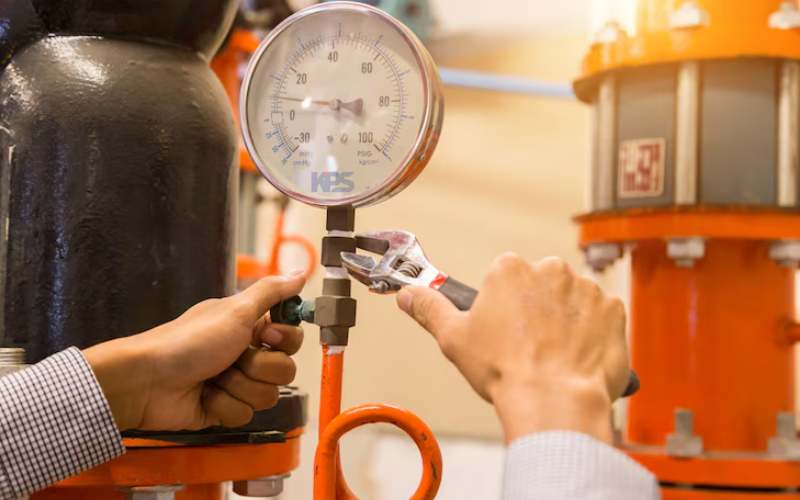
The cost of maintaining an FM200 fire suppression system can vary depending on the scale, number of gas cylinders, the level of detailed inspection and the service provider. Below are the factors that affect the cost of FM20 maintenance.
Choosing a reputable, professional maintenance unit is a key factor to ensure that the FM200 fire suppression system operates effectively, safely and in compliance with legal regulations. Here are some important notes:
With more than 15 years of in-depth experience in the field of fire prevention and fighting (PCCC), KPS is not only an official distributor of the world's leading brands such as BOSCH, GST, Janus Fire System, Simplex, ..., but also a prestigious consulting unit in design, construction and maintenance of PCCC systems, trusted by hundreds of large enterprises small businesses nationwide trust and choose.
KPS is proud to provide comprehensive FM200 system maintenance solutions, strictly complying with NFPA 2001 and TCVN 3890 standards, ensuring that the system is always ready to operate correctly when there is an incident. Our team of technicians all have Fire Prevention and Fighting certificates, are well-trained in clean gas systems (HFC-227ea), are proficient in checking, detecting gas leaks, weighing and checking cylinder weight, calibrating sensors, and handling technical errors such as stuck valves, incorrect sensors, etc.
Not only stopping at maintenance, KPS also provides technical advice, provides legal documents, full acceptance records - supporting businesses in the inspection, acceptance and fire insurance requirements. In particular, KPS's pricing policy is transparent - no additional costs - with warranty, with flexible periodic maintenance packages (quarterly or yearly), helping to optimize costs and extend equipment life.
With a solid technical foundation, modern testing equipment and extensive experience in practical implementation at key projects, KPS is the top choice in FM200 system maintenance services - where you can be completely assured of the quality, progress and safety of your fire protection system.
Contact KPS now for optimal technical solution advice, transparent quotes and quick maintenance support!
Other news

Signify and KPS sign strategic partnership agreement.
Signify and KPS have signed a strategic partnership to promote smart, energy-efficient lighting solutions for buildings in Vietnam.
View detail

From APEC 2017 Da Nang to APEC 2027 Phu Quoc: From traditional security solutions to smart IOCs.
From APEC 2017 security monitoring solutions to a smart IOC model for APEC 2027 in Phu Quoc.
View detail

Team Building KPS 2026 | Da Nang - Hoi An - Hue
KPS 2026 Team Building journey in Da Nang - Hoi An - Hue, where teams bond, recharge, and spread sustainable values.
View detail

Optimizing air conditioning based on room conditions in hotels and resorts.
Why do 20-30% of hotel rooms still have their air conditioning running even when there are no guests?
View detail

Energy-saving solutions for hotels and resorts - without compromising the experience.
Consulting and implementing EMS systems for hotels - reducing electricity costs, smarter operation - without compromising customer experience.
View detail

Energy Management System (EMS): Cost and Operation Optimization
EMS solutions help businesses monitor, analyze, and optimize energy in real time, saving 10-30% on electricity costs.
View detail
ABOUT KPS


Regulations and policies
Warranty and return policy Delivery, payment, and feedback Giấy phép kinh doanhContact Information
HO CHI MINH OFFICE
10–12 Dong Van Cong Street, Cat Lai Ward, Ho Chi Minh City.
+842839976099 / 903 709 019
info@kps.com.vn
www.kps.com.vn
Work time
Monday – Friday : 8:00 AM - 17:30 PM
Saturday - Sunday: Off
HA NOI OFFICE
22 Alley 168 Nguyen Xien, Khuong Dinh Ward, Hanoi City
+84 903 709 019
kpshn@kps.com.vn
www.kps.com.vn
Work time
Monday – Friday: 8:00 AM - 17:30 PM
Saturday - Sunday: Off
DA NANG OFFICE
490 Nguyen Tri Phuong, Hoa Cuong Ward, Da Nang City
+84 903 709 019
kpsdn@kps.com.vn
www.kps.com.vn
Work time
Monday – Friday: 8:00 AM - 17:30 PM
Saturday - Sunday: Off
CAN THO OFFICE
11/11 Tran Binh Trong, Ninh Kieu Ward, Ninh Kieu District, Can Tho City.
+84 090 709 019
kpsct@kps.com.vn
www.kps.com.vn
Work time
Monday – Friday: 8:00 AM - 17:30 PM
Saturday - Sunday: Off
SERVICE CENTER - WAREHOUSE
10–12 Dong Van Cong Street, Cat Lai Ward, Ho Chi Minh City.
+ 84 28 3997 0609
baohanh@kps.com.vn
www.kps.com.vn
Work time
Monday – Friday: 8:00 AM - 17:30 PM
Saturday - Sunday: Off
2010 © Bản quyền thuộc KPS
Online: 42 | Visitors Counter: 17363150
About | Recruitment | News | Contact Us


