


info@kps.com.vn
+84 903 709 019
Hệ thống Access Control (kiểm soát truy cập) là giải pháp công nghệ quản lý quyền ra vào khu vực hạn chế bằng cách xác thực danh tính qua thẻ từ, vân tay, khuôn mặt hoặc mã PIN, sau đó quyết định cho phép hoặc từ chối truy cập. Hệ thống ghi nhận toàn bộ lịch sử ra vào và có thể tích hợp với camera, báo động để tạo mạng lưới bảo vệ toàn diện. KPS tư vấn và triển khai hệ thống Access Control từ Bosch, MAG, Tycon cho doanh nghiệp tại Việt Nam.
Khái niệm về Hệ thống Access Control
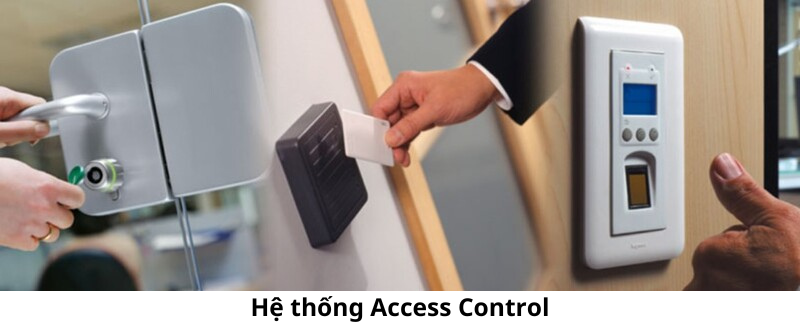
Hệ thống Access Control (Kiểm soát truy cập) là một giải pháp công nghệ được sử dụng để quản lý và kiểm soát việc ra vào các khu vực hạn chế. Hệ thống này hoạt động dựa trên việc xác thực danh tính của người dùng thông qua các phương thức như thẻ từ, vân tay, khuôn mặt, mật khẩu,... để quyết định cho phép hoặc từ chối truy cập.
1. Bảo vệ tài sản và con người
Hệ thống Access Control đóng vai trò quan trọng trong việc ngăn chặn các trường hợp truy cập trái phép vào các khu vực quan trọng như văn phòng, kho hàng, trung tâm dữ liệu, hoặc nhà riêng. Bằng cách kiểm soát chặt chẽ quyền ra vào, hệ thống giúp bảo vệ hiệu quả tài sản, dữ liệu nhạy cảm và đảm bảo an toàn cho nhân viên, cư dân hoặc khách hàng.
2. Kiểm soát quyền truy cập linh hoạt
Access Control cho phép phân quyền truy cập dựa trên vai trò hoặc thời gian cụ thể. Ví dụ, nhân viên có thể được phép truy cập vào khu vực làm việc trong giờ hành chính, trong khi khách hàng chỉ được cấp quyền tạm thời thông qua mã hoặc thẻ dùng một lần. Điều này giúp đảm bảo chỉ những người được ủy quyền mới có thể tiếp cận các khu vực quan trọng, giảm thiểu rủi ro và nâng cao mức độ bảo mật.
3. Ghi nhận và giám sát lịch sử ra vào
Hệ thống Access Control tự động ghi lại tất cả các hoạt động ra vào, bao gồm thời gian, danh tính và khu vực truy cập. Những dữ liệu này rất hữu ích trong việc điều tra sự cố, xây dựng các báo cáo bảo mật và nâng cao hiệu quả quản lý. Nhờ vậy, mọi sự kiện liên quan đến an ninh đều có thể được theo dõi và xử lý kịp thời.
4. Tích hợp với các hệ thống an ninh khác
Access Control có thể tích hợp với nhiều hệ thống an ninh khác để tạo nên một mạng lưới bảo vệ toàn diện. Ví dụ, hệ thống có thể kết nối với camera giám sát để ghi lại hình ảnh người ra vào, hoặc kích hoạt báo động khi phát hiện các trường hợp truy cập trái phép. Trong trường hợp khẩn cấp như cháy nổ, Access Control có thể tự động mở cửa để đảm bảo an toàn cho tất cả mọi người.
5. Tiết kiệm chi phí và thời gian
So với việc giám sát thủ công, Access Control giúp giảm nhu cầu sử dụng nhân lực, từ đó tiết kiệm chi phí cho doanh nghiệp. Hệ thống còn cho phép quản lý từ xa thông qua phần mềm hoặc ứng dụng, giúp người quản lý dễ dàng điều chỉnh quyền truy cập cho nhiều địa điểm cùng lúc mà không mất quá nhiều thời gian.
6. Tăng tính chuyên nghiệp và hiện đại hóa không gian
Việc ứng dụng Access Control giúp nâng cao hình ảnh chuyên nghiệp cho doanh nghiệp hoặc tổ chức. Một hệ thống kiểm soát ra vào hiện đại không chỉ đảm bảo an ninh mà còn tạo ấn tượng tốt với khách hàng và đối tác, thể hiện sự đầu tư vào công nghệ và bảo mật.
Thiết bị đầu đọc:
Bộ điều khiển:
Là bộ não của hệ thống, thực hiện các chức năng chính sau:
Cơ sở dữ liệu:
Phần mềm quản lý:
Là giao diện giúp người quản trị thực hiện các thao tác như:
Thiết bị thực thi:
Là các thiết bị thực hiện lệnh của bộ điều khiển, ví dụ như:
Hệ thống Access Control hoạt động dựa trên quy trình kiểm soát và xác thực người dùng để đảm bảo an ninh tối ưu. Trước tiên, người dùng cần cung cấp thông tin để xác thực thông qua các phương tiện như thẻ từ, vân tay, nhận diện khuôn mặt hoặc mã PIN. Thông tin này được truyền đến bộ điều khiển trung tâm, nơi hệ thống sẽ đối chiếu dữ liệu với cơ sở dữ liệu lưu trữ để xác định tính hợp lệ và quyền hạn truy cập.
Nếu thông tin hợp lệ, bộ điều khiển sẽ ra lệnh mở khóa cửa hoặc cổng, cho phép người dùng truy cập. Ngược lại, nếu thông tin không chính xác hoặc người dùng không có quyền truy cập vào khu vực, hệ thống sẽ từ chối và có thể phát cảnh báo qua âm thanh hoặc thông báo đến bộ phận giám sát.
Toàn bộ hoạt động ra/vào đều được ghi nhận chi tiết, bao gồm thời gian truy cập, danh tính người dùng và khu vực đã ra vào. Điều này không chỉ giúp tăng cường giám sát mà còn hỗ trợ kiểm tra khi xảy ra sự cố. Ngoài ra, hệ thống Access Control có thể tích hợp với các thiết bị an ninh khác như camera giám sát hoặc hệ thống báo động, tạo nên một mạng lưới bảo vệ toàn diện.
Việc quản lý và giám sát từ xa cũng là một điểm mạnh của hệ thống, cho phép quản trị viên dễ dàng phân quyền, kiểm tra lịch sử truy cập và điều chỉnh thiết lập theo nhu cầu. Hệ thống Access Control không chỉ đảm bảo an ninh mà còn mang lại sự tiện lợi, hiệu quả, đáp ứng tốt các yêu cầu của môi trường làm việc hiện đại.
Nếu doanh nghiệp bạn cần lắp đặt hệ thống Access Control phù hợp với quy mô, KPS sẵn sàng khảo sát và tư vấn: gọi 0903 709 019 hoặc nhắn Zalo.

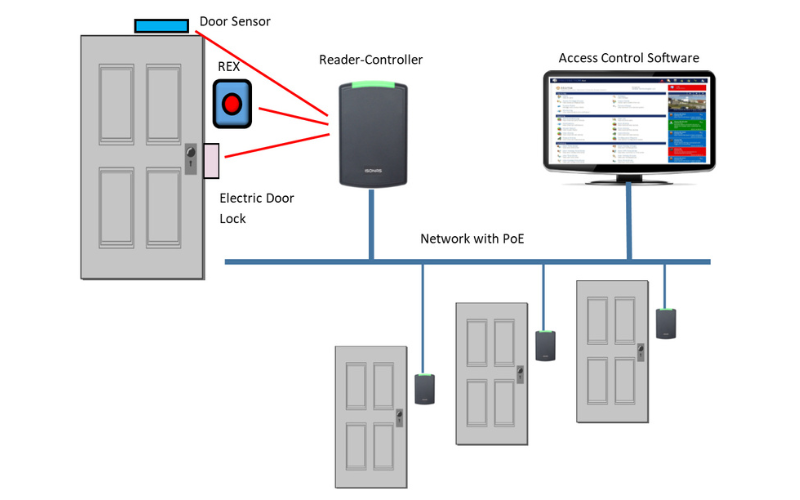
Hệ thống Access Control được ứng dụng rộng rãi trong nhiều lĩnh vực để kiểm soát và nâng cao an ninh. Dưới đây là các lĩnh vực và tình huống tiêu biểu mà hệ thống này được triển khai:
KPS là đối tác phân phối hệ thống Access Control từ các thương hiệu hàng đầu như Bosch, MAG và Tycon tại Việt Nam. Một số dự án tiêu biểu:
Đội ngũ kỹ thuật viên KPS thành thạo trong việc khảo sát, thiết kế, lắp đặt và bảo trì hệ thống, hỗ trợ khách hàng từ khâu tư vấn đến vận hành dài hạn.
Tham khảo thêm danh mục kiểm soát ra vào mà KPS đang phân phối. Bạn cũng có thể tham khảo dịch vụ lập trình & tích hợp hệ thống để kết nối Access Control với camera và báo động.
Liên hệ KPS để được tư vấn hệ thống Access Control phù hợp cho doanh nghiệp của bạn: gọi 0903 709 019 hoặc nhắn Zalo.

Các tin khác

Signify và KPS ký kết hợp tác chiến lược
Signify và KPS ký kết hợp tác chiến lược, thúc đẩy giải pháp chiếu sáng thông minh, tiết kiệm năng lượng cho tòa nhà tại Việt Nam.
Xem chi tiết

Từ APEC 2017 Đà Nẵng đến APEC 2027 Phú Quốc: Giải pháp an ninh truyền thống sang IOC thông minh
Giải pháp giám sát an ninh APEC 2017 đến mô hình IOC thông minh cho APEC 2027 tại Phú Quốc.
Xem chi tiết

Team Building KPS 2026 | Đà Nẵng - Hội An - Huế
Hành trình Team Building KPS 2026 tại Đà Nẵng - Hội An - Huế, nơi gắn kết đội ngũ, tái tạo năng lượng và lan tỏa giá trị bền vững.
Xem chi tiết

5 sai lầm vận hành MEP khiến tòa nhà tốn điện mỗi ngày
5 sai lầm vận hành MEP phổ biến khiến tòa nhà lãng phí điện mỗi ngày. Phân tích nguyên nhân và cách tối ưu HVAC, BMS, EMS theo tải thực tế.
Xem chi tiết

Tối ưu điều hòa theo trạng thái phòng trong khách sạn & resort
Vì sao 20-30% phòng khách sạn vẫn chạy điều hòa dù không có khách?
Xem chi tiết

Giải pháp tiết kiệm điện cho khách sạn & resort - nhưng không ảnh hưởng trải nghiệm
Tư vấn & triển khai hệ thống EMS cho khách sạn - giảm chi phí điện, vận hành thông minh hơn - nhưng không ảnh hưởng đến trải nghiệm khách..
Xem chi tiết

Hệ thống quản lý năng lượng EMS: Tối ưu chi phí & vận hành
Giải pháp EMS giúp doanh nghiệp kiểm soát, phân tích và tối ưu năng lượng theo thời gian thực, tiết kiệm 10-30% chi phí điện.
Xem chi tiết

Thiết bị kiểm soát chất lượng không khí AHU
Khám phá vai trò của AHU trong HVAC, từ xử lý không khí, lọc HEPA đến kiểm soát IAQ cho tòa nhà và nhà máy.
Xem chi tiết
GIỚI THIỆU VỀ KPS


Quy định & Chính sách
Chính sách bảo hành, đổi trả Giao hàng, thanh toán và góp ý Giấy phép kinh doanhThông Tin Liên hệ
VĂN PHÒNG HỒ CHÍ MINH
10 – 12 Đồng Văn Cống, Phường Cát Lái, TP. HCM.
+842839976099 / 903 709 019
info@kps.com.vn
www.kps.com.vn
Giờ làm việc
Thứ Hai – Thứ Sáu: 8:00 SA - 17:30 CH
Thứ Bảy - Chủ Nhật: Ngày nghỉ
VĂN PHÒNG HÀ NỘI
22 Ngõ 168 Nguyễn Xiển, Phường Khương Đình, TP Hà Nội
+84 903 709 019
kpshn@kps.com.vn
www.kps.com.vn
Giờ làm việc
Thứ Hai – Thứ Sáu: 8:00 SA - 17:30 CH
Thứ Bảy - Chủ Nhật: Ngày nghỉ
VĂN PHÒNG ĐÀ NẴNG
490 Nguyễn Tri Phương, Phường Hòa Cường, TP Đà Nẵng
+84 903 709 019
kpsdn@kps.com.vn
www.kps.com.vn
Giờ làm việc
Thứ Hai – Thứ Sáu: 8:00 SA - 17:30 CH
Thứ Bảy - Chủ Nhật: Ngày nghỉ
VĂN PHÒNG CẦN THƠ
11/11 Trần Bình Trọng, Phường Ninh Kiều, Quận Ninh Kiều, TP Cần Thơ.
+84 090 709 019
kpsct@kps.com.vn
www.kps.com.vn
Giờ làm việc
Thứ Hai – Thứ Sáu: 8:00 SA - 17:30 CH
Thứ Bảy - Chủ Nhật: Ngày nghỉ
TRUNG TÂM BẢO HÀNH - KHO HÀNG
10 – 12 Đồng Văn Cống, Phường Cát Lái, TP. HCM.
+ 84 28 3997 0609
baohanh@kps.com.vn
www.kps.com.vn
Giờ làm việc
Thứ Hai – Thứ Sáu: 8:00 SA - 17:30 CH
Thứ Bảy - Chủ Nhật: Ngày nghỉ
2010 © Bản quyền thuộc KPS
Đang Online: 50 | Tổng Truy Cập: 17771272
Giới Thiệu | Tuyển dụng | Tin tức | Liên Hệ


