


info@kps.com.vn
+84 903 709 019
In the context of increasingly developing technology, protecting electronic systems, data centers and important document archives from the risk of fire has become extremely urgent. Therefore, the NFPA-2001 standard was born as an effective and safe solution for clean agent fire extinguishing systems. So what is NFPA-2001? What does this standard stipulate and what role does it play in the design, installation and operation of modern fire extinguishing systems? Let's find out the details in the article below.
NFPA 2001 (full name: NFPA 2001 – Standard on Clean Agent Fire Extinguishing Systems) is a standard issued by the National Fire Protection Association (NFPA). This standard specifies requirements for the design, installation, inspection, testing and maintenance of clean agent fire extinguishing systems to ensure fire extinguishing efficiency and safety for people and equipment.
Key Points of the NFPA-2001 Standard:
Applicable to clean agents such as FM-200 (HFC-227ea), Novec 1230 (FK-5-1-12), Inergen, Argonite, and others.
Rapid discharge time: The system must achieve the design concentration within 10 seconds after activation.
No harm to people and equipment: The gases specified in the standard are non-conductive, non-corrosive, environmentally friendly, and safe for humans at the permitted concentration levels.
System design is based on the protected volume, required agent concentration, and specific environmental conditions of the protected area.
Where is NFPA-2001 commonly applied?
Data centers.
Server rooms.
Document storage areas, libraries, museums.
Electrical cabinets, industrial control centers, medical equipment rooms, and similar facilities.
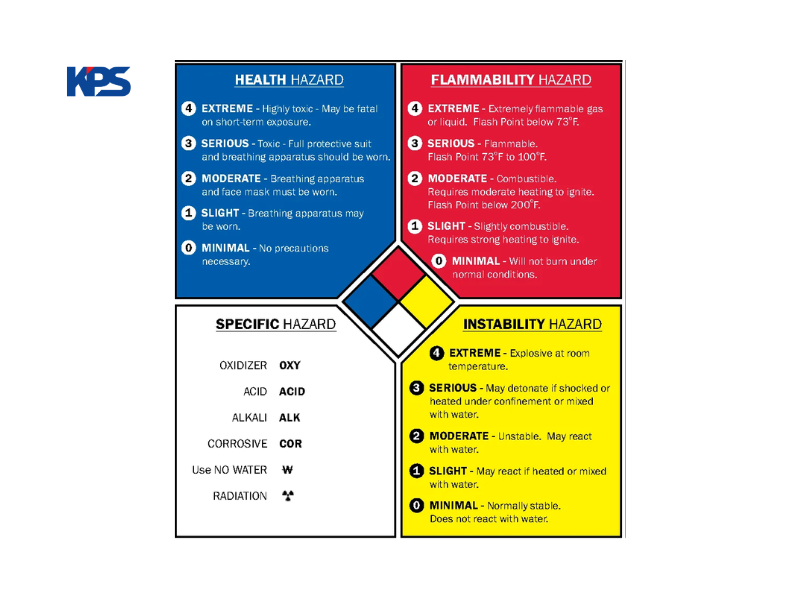
In the NFPA-2001 standard, accepted clean agents are fire suppression substances that leave no residue, are non-conductive, safe for electronic equipment, and cause little or no harm to humans when used in enclosed spaces. The main groups of agents include:
These are compounds containing fluorine, carbon, and hydrogen, designed to replace ozone-depleting substances like Halon.
FM-200 (HFC-227ea)
High fire suppression efficiency, commonly used in data centers and telecommunication equipment rooms.
No impact on the ozone layer.
Extinguishes fires by absorbing heat.
Novec 1230 (FK-5-1-12)
Environmentally friendly, with a very short atmospheric lifetime (~5 days).
Suppresses fires by absorbing heat and reducing the reaction temperature.
Considered one of the safest fire suppression agents available today.
These are naturally occurring gases or gas mixtures that do not chemically react with fire and primarily suppress fires by reducing the oxygen concentration below the level necessary to sustain combustion.
IG-01 (100% Argon)
IG-100 (100% Nitrogen)
IG-55 (50% Nitrogen + 50% Argon)
IG-541 (52% Nitrogen + 40% Argon + 8% CO₂)
Advantages:
Non-corrosive, non-conductive, and safe for equipment.
Environmentally safe (zero Global Warming Potential - GWP, and zero Ozone Depletion Potential - ODP).
Suitable for areas requiring high sustainability standards and protection of high-value technological assets.
CO₂ is mentioned for certain specific applications but is not recommended for occupied areas due to the risk of asphyxiation.
Suppresses fires by removing oxygen from the combustion zone.
Extinguish a fire by removing oxygen from the fire area.
The NFPA 2001 standard specifies the technical requirements for Clean Agent Fire Extinguishing Systems, including both total flooding and local application methods. The main technical requirements under this standard are as follows:
The agent must be non-conductive, non-corrosive, leave no residue after discharge, and be safe for electronic equipment.
Common agents include:
FM-200 (HFC-227ea)
Novec 1230 (FK-5-1-12)
Inert Gases: IG-541 (Inergen), IG-55, IG-100
The agent must be approved under the U.S. EPA SNAP (Significant New Alternatives Policy) program.
The required concentration must be achieved within 10 seconds after discharge.
The design concentration must not exceed the NOAEL (No Observed Adverse Effect Level) to ensure human safety.
Examples:
FM-200: NOAEL = 9%, typical design concentration between 7% and 8.5%
Novec 1230: NOAEL = 10%, typical design concentration between 4.5% and 6%
The system must maintain the extinguishing agent concentration within the protected space for at least 10 minutes to prevent fire re-ignition.
Hold time must be determined through a Room Integrity Test.
The system must provide audible and visual warnings before discharge to allow occupants to evacuate safely.
A pre-discharge delay, typically between 10 to 30 seconds, is required before agent release.
An Abort Switch must be installed to cancel the discharge process in case of emergency.
The protected area must have clearly marked and easily accessible emergency exits.
The system includes:
Agent storage cylinders
Discharge valves
Piping network
Nozzles
Control and activation system
The design must ensure:
Even distribution of the agent throughout the protected area
No excessive pressure buildup
Achievement of the required concentration within the specified time
Every 6 months: Inspect the agent container weight.
Annually: Test all control equipment, activation devices, and perform a Room Integrity Test.
Every 5 years: Inspect agent containers to determine if hydrostatic testing is required.
Clean agent fire suppression systems designed under NFPA 2001 are capable of reaching the required extinguishing concentration in less than 10 seconds, enabling fires to be controlled at an early stage. This performance surpasses that of traditional water sprinkler systems, which primarily aim to contain the spread of fire.
Clean agents are non-conductive, rapidly evaporating, and leave no residue after discharge. This protects sensitive electronic equipment, important documents, and valuable artifacts from damage caused by water or chemical residues.
Clean agents like Novec 1230 and FM-200 are specifically designed for use in occupied spaces, posing no harm to human health, and are approved by the U.S. Environmental Protection Agency (EPA). Moreover, these agents have low or zero Global Warming Potential (GWP) and Ozone Depletion Potential (ODP), aligning with modern environmental protection standards.
Although the NFPA does not directly enforce standards, many countries and local jurisdictions have incorporated NFPA regulations into their building and fire codes. Compliance with NFPA 2001 helps businesses avoid legal penalties and ensures operations are conducted within regulatory requirements.
Many insurance companies require or favor fire suppression systems compliant with NFPA 2001, allowing businesses to benefit from reduced insurance premiums and assurance of claims eligibility in the event of a fire. These systems also minimize operational downtime caused by fire incidents.
NFPA 2001 clearly defines maintenance and inspection schedules, including:
Every 6 months: Inspect the weight and pressure of agent cylinders.
Annually: Inspect all control equipment and conduct a room integrity test.
Every 5 years: Inspect agent cylinders to determine the need for hydrostatic testing.
Following this schedule ensures the system remains ready for effective operation when needed.
Clean agent fire suppression systems compliant with NFPA 2001 are ideal for a wide range of facilities, such as:
Data centers and server rooms
Museums and libraries
Laboratories and healthcare facilities
Archives and storage facilities for flammable materials
Operations and telecommunication centers
Data centers and server rooms house critical electronic equipment such as servers, storage devices, and networking systems. Clean agent fire suppression systems compliant with NFPA 2001 quickly extinguish fires without damaging equipment, thanks to their non-conductive properties and residue-free discharge.
Facilities that preserve historical artifacts, artworks, and valuable documents require fire suppression systems that do not harm their contents. Clean agent systems under NFPA 2001 meet these needs by effectively extinguishing fires without affecting the artifacts.
In medical environments, protecting sensitive medical equipment and ensuring patient safety are top priorities. Clean agent fire suppression systems are designed for use in occupied spaces, posing no threat to human health and preventing damage to delicate medical devices.
Laboratories often contain expensive chemicals and equipment. Clean agent fire suppression systems extinguish fires without triggering unwanted chemical reactions or damaging sensitive research equipment.
Manufacturing plants, especially those with electronic devices or precision machinery, benefit from NFPA 2001-compliant clean agent systems that protect assets and ensure continuous operation without the disruptions caused by traditional water or chemical-based fire suppression methods.
Telecommunication facilities and operation centers require quick and efficient fire suppression to protect communication equipment and maintain uninterrupted service. Clean agent systems meet this need by swiftly extinguishing fires without harming the equipment.
In the oil, gas, and energy sectors, fire protection is critical due to the high risk of explosions. Clean agent fire suppression systems compliant with NFPA 2001 are used to safeguard vital equipment and infrastructure, ensuring the safety of personnel and the environment.
Clean agent fire suppression is also applied to protect electrical cabinets, CNC machines, and other industrial equipment where water or foam-based suppression methods could cause significant damage.
| Standard | Fire Suppression Method | Main Applications | Key Advantages | Limitations |
|---|---|---|---|---|
| NFPA 2001 | Clean Agents (FM-200, Novec 1230, Inergen) | Data centers, server rooms, libraries, museums | Non-conductive, no residue, safe for humans, environmentally friendly | High investment cost, requires airtight rooms |
| NFPA 13 | Water (Sprinkler Systems) | Factories, offices, residential buildings | Low cost, easy maintenance | Can damage electronic equipment, unsuitable for sensitive assets |
| NFPA 12 | CO₂ | Unoccupied machine rooms, chemical storage | Highly effective, low cost | Dangerous to humans, unsuitable for occupied spaces |
| NFPA 17/17A | Dry/Wet Chemical Agents | Industrial kitchens, grease fire-prone areas | Effective against grease fires | Leaves residue, requires cleanup after discharge |
| NFPA 750 | Water Mist | Machine rooms, flammable storage facilities | Water-saving, reduced damage to equipment | Complex systems, not suitable for all types of equipment |
| NFPA 2010 | Aerosol | Electrical cabinets, small equipment | Compact size, easy installation | Potential for corrosion, unsuitable for large spaces |
Human Safety:
Clean agents like FM-200, Novec 1230, and Inergen are specifically designed for use in occupied spaces without harming human health.
Protection of Sensitive Equipment:
Non-conductive and residue-free discharge ensures protection for sensitive electronic devices, important documents, and valuable artifacts.
Environmental Friendliness:
These clean agents have low or zero Global Warming Potential (GWP) and Ozone Depletion Potential (ODP), aligning with modern environmental protection standards.
Clean agent fire suppression systems require the protected space to be sufficiently sealed to maintain the necessary agent concentration for a minimum duration. This ensures effective fire extinguishment and prevents the agent from escaping too quickly. Room Integrity Testing is a crucial step during the system design and installation process.
Although clean agents such as FM-200, Novec 1230, and Inergen are designed to be safe for human exposure, their use in occupied spaces must comply with strict regulations. The system should include audible and visual alarms prior to discharge to ensure people can evacuate promptly. An abort switch should also be installed to allow cancellation of agent discharge in case of an emergency.
To ensure optimal system performance, regular inspection and maintenance must be conducted according to NFPA 2001 guidelines:
Monthly: Check the pressure and weight of the agent cylinders.
Annually: Inspect the entire system, including sensors, valves, and piping.
Every 5 years: Perform Room Integrity Testing.
Following this maintenance schedule helps detect potential issues early and ensures the system is always ready for operation.
Various clean agents are available for use, each with its own characteristics:
FM-200 (HFC-227ea): High efficiency, non-conductive, no residue.
Novec 1230: Environmentally friendly, short atmospheric lifetime.
Inergen: Inert gas blend, safe for human occupancy, no ozone depletion.
The choice of agent depends on the specific features of the protected space and project requirements.
Compliance with NFPA 2001 regulations is mandatory to ensure the system’s safety and effectiveness. Additionally, personnel responsible for system operation and maintenance must be properly trained on the use, inspection, and troubleshooting of clean agent fire suppression systems.
Other news

Signify and KPS sign strategic partnership agreement.
Signify and KPS have signed a strategic partnership to promote smart, energy-efficient lighting solutions for buildings in Vietnam.
View detail

From APEC 2017 Da Nang to APEC 2027 Phu Quoc: From traditional security solutions to smart IOCs.
From APEC 2017 security monitoring solutions to a smart IOC model for APEC 2027 in Phu Quoc.
View detail

Team Building KPS 2026 | Da Nang - Hoi An - Hue
KPS 2026 Team Building journey in Da Nang - Hoi An - Hue, where teams bond, recharge, and spread sustainable values.
View detail

Optimizing air conditioning based on room conditions in hotels and resorts.
Why do 20-30% of hotel rooms still have their air conditioning running even when there are no guests?
View detail

Energy-saving solutions for hotels and resorts - without compromising the experience.
Consulting and implementing EMS systems for hotels - reducing electricity costs, smarter operation - without compromising customer experience.
View detail

Energy Management System (EMS): Cost and Operation Optimization
EMS solutions help businesses monitor, analyze, and optimize energy in real time, saving 10-30% on electricity costs.
View detail
ABOUT KPS


Regulations and policies
Warranty and return policy Delivery, payment, and feedback Giấy phép kinh doanhContact Information
HO CHI MINH OFFICE
10–12 Dong Van Cong Street, Cat Lai Ward, Ho Chi Minh City.
+842839976099 / 903 709 019
info@kps.com.vn
www.kps.com.vn
Work time
Monday – Friday : 8:00 AM - 17:30 PM
Saturday - Sunday: Off
HA NOI OFFICE
22 Alley 168 Nguyen Xien, Khuong Dinh Ward, Hanoi City
+84 903 709 019
kpshn@kps.com.vn
www.kps.com.vn
Work time
Monday – Friday: 8:00 AM - 17:30 PM
Saturday - Sunday: Off
DA NANG OFFICE
490 Nguyen Tri Phuong, Hoa Cuong Ward, Da Nang City
+84 903 709 019
kpsdn@kps.com.vn
www.kps.com.vn
Work time
Monday – Friday: 8:00 AM - 17:30 PM
Saturday - Sunday: Off
CAN THO OFFICE
11/11 Tran Binh Trong, Ninh Kieu Ward, Ninh Kieu District, Can Tho City.
+84 090 709 019
kpsct@kps.com.vn
www.kps.com.vn
Work time
Monday – Friday: 8:00 AM - 17:30 PM
Saturday - Sunday: Off
SERVICE CENTER - WAREHOUSE
10–12 Dong Van Cong Street, Cat Lai Ward, Ho Chi Minh City.
+ 84 28 3997 0609
baohanh@kps.com.vn
www.kps.com.vn
Work time
Monday – Friday: 8:00 AM - 17:30 PM
Saturday - Sunday: Off
2010 © Bản quyền thuộc KPS
Online: 20 | Visitors Counter: 17310933
About | Recruitment | News | Contact Us


