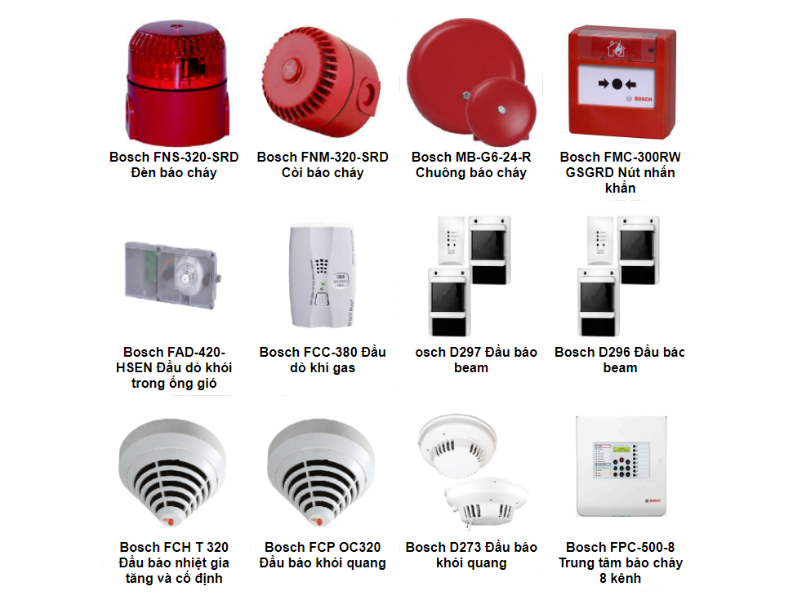
How They Work
Fire alarms operate based on special sensors. When fire indicators are detected, these sensors trigger an alarm sound, flashing lights, or both to warn everyone in the home.
-
Smoke Detectors:
- Ionization Sensor: Uses a small amount of radioactive material to create ions in the air. When smoke enters, it disrupts the ions, changing the electrical current in the circuit and triggering the alarm.
- Photoelectric Sensor: Uses an LED and a photoelectric sensor. When smoke enters, the LED light reflects onto the sensor, activating the alarm.
-
Heat Detectors:
- Function by monitoring ambient temperature. When there’s a sudden rise or the temperature exceeds a set threshold (typically around 57°C), the sensor triggers an alarm.
- Suitable for areas exposed to high temperatures, such as kitchens, where heat may be present without smoke.
-
Alarm Bells and Sirens:
- When receiving signals from smoke or heat sensors, the system activates an alarm bell or siren with a loud sound to alert everyone.
- The alarm sound is designed to be loud enough to be heard throughout the home, allowing for timely evacuation or intervention.
Why Home Fire Alarms Are Essential
Home fire alarms are among the most important tools to protect your life and property. We often think fires only happen in extreme cases, but the truth is that fire hazards are always present in every home. A fire alarm helps detect early signs of fire, giving you enough time to evacuate and call for help.
Reasons Why Every Home Needs a Fire Alarm:
Early Fire Detection: Fire alarms are equipped with sensitive sensors capable of detecting smoke, high temperatures, or CO gas as soon as a fire starts, helping prevent the fire from spreading and causing more serious damage.
Timely Alerts: When detecting a fire, the alarm emits a loud sound to wake anyone sleeping or working inside and notify neighbors of the emergency.
Extended Evacuation Time: Early warnings provide more time for people to evacuate, reducing the risk of injury.
Asset Protection: Detecting and extinguishing fires early helps limit damage to property, belongings, and important documents.
Peace of Mind: Having a fire alarm installed gives you peace of mind when you leave home or sleep, knowing you have an added layer of safety.
Types of Popular Fire Alarms
Smoke Detectors
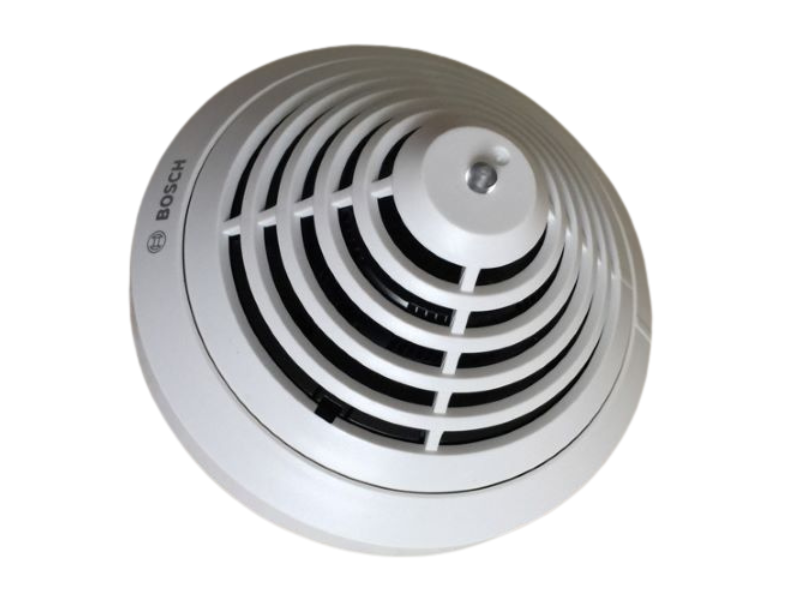
- Principle of Operation: Detects fine smoke particles produced when materials begin to burn.
- Applications: Suitable for most areas in the home, especially bedrooms, living rooms, and hallways.
- Advantages: Provides early fire detection at an affordable price.
Heat Detectors
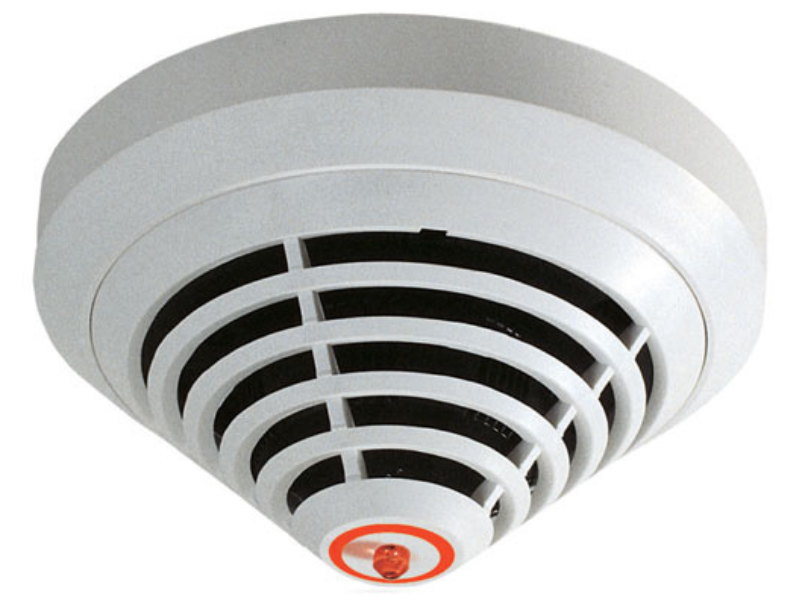
- Principle of Operation: Detects sudden rises in temperature.
- Applications: Typically installed in areas at risk of fire due to heating processes, such as kitchens, fireplaces, and storage rooms.
- Advantages: High reliability in dusty environments.
Combined Fire Alarm Systems
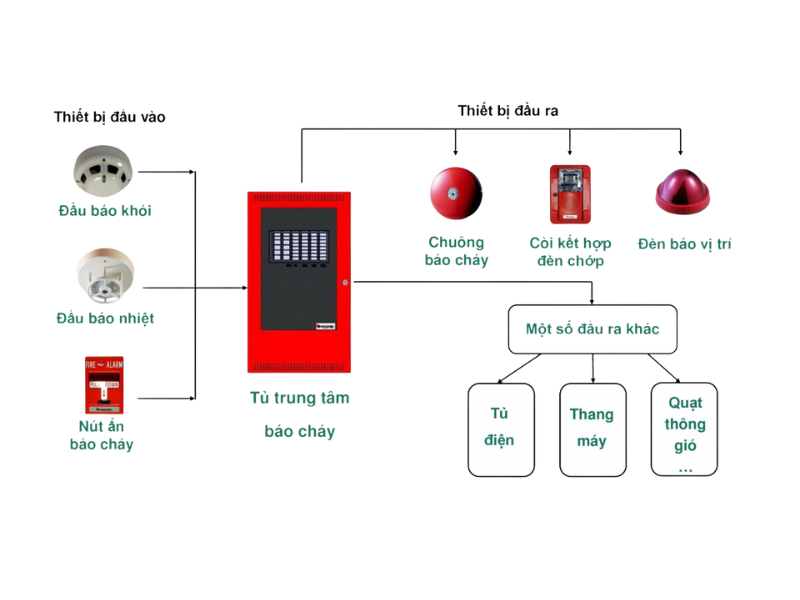
- Principle of Operation: Combines multiple sensors (smoke, heat, CO) to increase accuracy and coverage.
- Applications: Suitable for large houses, villas, and high-rise buildings.
- Advantages: Maximizes safety and can be integrated with other smart systems.
Smart Fire Alarms
- Principle of Operation: Connects with other smart devices, like smartphones and tablets, to send alerts when detecting fire, allowing remote control.
- Applications: Ideal for those who want to manage their home smartly.
- Advantages: Convenient, easy to use, and offers various smart features.
Criteria for Choosing Fire Detection Devices
When purchasing fire detection devices, it’s essential to consider the following criteria to ensure effective protection for your home or workplace:
-
Sensor Type and Functionality
-
Smoke Detectors: Ideal for living rooms, bedrooms, hallways; quickly detects smoke.
-
Heat Detectors: Perfect for kitchens, garages, or engine rooms, where fires can occur without producing smoke.
-
CO Detectors: Especially important if the household uses fuel-burning appliances like gas stoves or heaters.
-
Multi-Sensor Fire Alarms: Combines multiple sensors in one, enhancing accuracy and warning effectiveness.
-
Quality and Brand
- Choose reputable brands with international or national quality and safety certifications.
- Check reviews and safety certificates from trusted organizations like Bosch, NFPA, or GST.
-
Power Source
-
Battery-Powered Devices: Easy to install and replace batteries as needed. However, they require regular battery checks.
-
Wired Devices: Generally stable and no worries about battery life, though may stop working during power outages unless there’s a backup battery.
-
Smart Devices with Rechargeable Batteries: Some smart devices have built-in rechargeable batteries, which can be recharged as needed and monitored through apps.
-
Smart Features
-
Mobile App Connectivity: Some devices can connect to smartphones, allowing for remote alerts.
-
Smart Home System Integration: If your home has a smart system, choose compatible devices with platforms like Google Home, Amazon Alexa, or Apple HomeKit.
-
Self-Test Function: Many devices have periodic self-testing and notify users if an error is detected, ensuring optimal performance.
-
Ease of Installation and Maintenance
- Choose devices with clear installation instructions, suitable for different home areas.
- Devices with easy-to-remove designs for battery replacement or cleaning are a plus, ensuring continued good performance.
-
Price and Budget
- Set a clear budget to select suitable devices without sacrificing quality.
- Devices with smart or multi-sensor features are often more expensive but offer better protection.
-
Warranty and Support Policy
- Carefully check the manufacturer’s or provider’s warranty duration and policy.
- Choose reputable suppliers with technical support and maintenance services after installation.
Installation and Usage Guide for Home Fire Detection Devices
Choosing Installation Locations:
-
Bedroom: Install on the ceiling, at least 15 cm from walls and away from ceiling fans and lights.
-
Living Room, Kitchen: Install on the ceiling, at least 15 cm from walls and away from heat sources.
-
Hallway: Install on the ceiling, at least 1 m from doors.
-
Other Spaces: Choose suitable installation locations based on area size and structure.
Installing the Device:
-
Using Screws or Adhesive: Follow the manufacturer's instructions to secure the device to the ceiling.
-
Check Battery: Ensure the battery is properly installed and fresh.
-
Function Test: After installation, perform a test by pressing the test button on the device.
Usage and Maintenance:
-
Regular Checks:
-
Battery: Replace the battery periodically (usually every 6-12 months) or when the device signals low battery.
-
Dust: Regularly wipe the device to keep the ventilation holes clear.
-
Testing: Test monthly by pressing the test button.
-
Cleaning: Avoid letting dust accumulate on the device.
-
Do Not Paint: Do not paint over fire alarms, as it can interfere with performance.
-
Avoid Extreme Temperatures: Keep devices out of areas with extreme temperatures, which may reduce lifespan.
Precautions:
-
Don’t Ignore False Alarms: If there’s no fire, investigate the cause of the false alarm and correct it.
-
Know How to Evacuate: Prepare an evacuation plan in case of fire.
-
Call Emergency Services: When hearing the alarm, immediately call emergency services.
Bosch Fire Detection Devices: The Perfect Choice for Your Home
When it comes to high-quality fire detection devices, the well-known German brand Bosch is at the top of the list. With advanced technology and stringent quality standards, Bosch fire detection products have earned consumer trust. From smoke and heat detectors to complete fire alarm systems, Bosch provides a wide range of products to meet all customer needs.
For guaranteed genuine products and optimal warranty and maintenance services, customers are advised to purchase from Bosch’s authorized distributors.
KPS is one of Bosch’s official distributors in Vietnam, committed to providing high-quality products along with professional services.
With a team of highly skilled engineers, KPS guarantees 100% authentic products at competitive prices and offers 24/7 customer support to resolve issues quickly.
Contact us today at: Hotline: 0903 709 019 for a free consultation.
Stay updated with the latest news at KPS SYSTEM CORP.


