


info@kps.com.vn
+84 903 709 019
Each year, thousands of fire incidents occur, causing severe damage to both life and property. Detecting and responding promptly in the first few minutes is crucial in minimizing the consequences. In this context, the addressable fire alarm system emerges as an optimal solution, capable of accurately identifying the location of the incident and improving the efficiency of fire prevention and firefighting efforts. So, why should you choose this system for your building? Let’s explore its outstanding advantages in the following article.
An addressable fire alarm system is a modern fire alarm system designed to detect and pinpoint the exact area where a fire incident occurs. Unlike conventional fire alarm systems (also known as zoned systems), each device in an addressable system (such as smoke detectors, heat detectors, and manual call points) is assigned a unique address. This allows the system to accurately identify the specific location of the triggered device, enabling rapid and precise identification of the affected area.
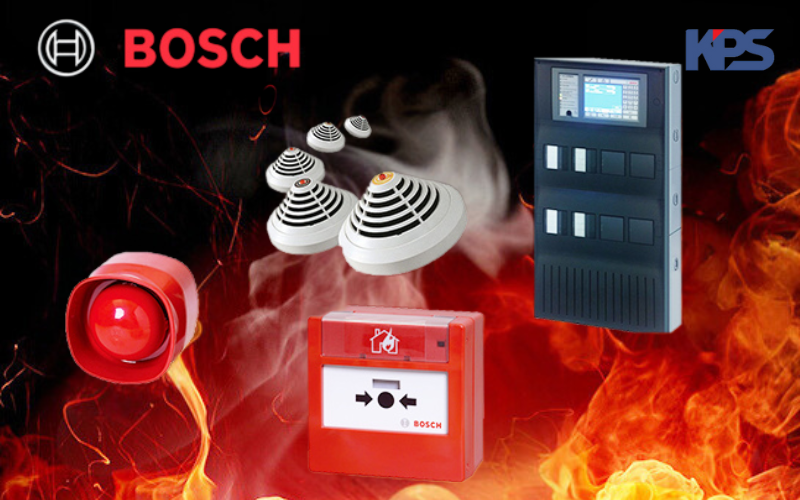
When a fire incident is detected, the detector sends a signal to the control panel along with its specific address. Upon receiving the signal, the control panel analyzes and identifies the location of the incident. Detailed information such as the room number, floor, or specific area is clearly displayed on the screen, enabling building managers or fire response teams to quickly and accurately locate the source of the incident for prompt action.
| Criteria | Addressable Fire Alarm System | Conventional Fire Alarm System |
|---|---|---|
| Incident Localization | Precisely identifies the location of the detector or triggered device. | Only identifies the general zone where the incident occurs. |
| Alert Accuracy | Minimizes false alarms, making it easier to inspect and maintain. | Prone to false alarms, difficult to identify the specific activated detector. |
| Scalability | Easily expandable, integrates with smart building management systems. | Limited scalability, challenging to integrate with other systems. |
| Initial Investment | Higher initial cost, but more cost-effective in the long term. | Lower initial cost, but higher operational costs over time. |
| Target Applications | Suitable for large facilities like malls and factories. | Ideal for smaller buildings like homes and small offices. |
Installing an addressable fire alarm system plays a vital role in safeguarding lives and property. Below are the key reasons why this system is essential:
An addressable fire alarm system allows precise identification of the triggered detector's location, including specific rooms, floors, and areas within the building.
Benefits:
Time is critical in emergency situations.
With conventional systems:
Managers must manually inspect each area within the alarm zone to find the exact location, potentially causing delays in response.
With addressable systems:
Incident locations are pinpointed immediately, saving crucial time during the initial minutes — the "golden time" for controlling fires.
Early detection means early action, which helps control fires before they spread. This reduces property damage and saves lives, as occupants can be evacuated, and the fire can be extinguished promptly.
False alarms are common in conventional systems, leading to unnecessary interruptions.
Addressable systems minimize false alarms by verifying signals from detectors before activating alarms, ensuring business or production activities continue uninterrupted. This provides peace of mind for residents, employees, and customers.
Addressable fire alarm systems are designed to manage large and complex facilities.
High Integration Capability:
Ease of Monitoring and Maintenance:
Addressable fire alarm systems offer numerous critical benefits, ensuring maximum safety for people and property. Below are their key advantages:
Accurate Incident Localization:Provides detailed information about the detector's location, including room, floor, and specific area. This helps managers or fire response teams quickly identify the fire source, saving valuable time and enabling faster responses, thereby minimizing damage.
Faster Response Time: With precise localization, managers or fire response teams can quickly access the fire area without needing to inspect the entire facility, ensuring timely intervention in emergencies.
Minimized False Alarms: The system can analyze and verify signals from detectors, reducing false alarms and avoiding unnecessary panic or disruptions. This saves time and resources for response teams.
Efficient Management of Complex Facilities: The system can integrate and manage multiple areas within large facilities such as malls, hospitals, factories, and hotels, making monitoring and maintenance more straightforward and effective.
Enhanced Safety for Users: The system helps fire response teams and personnel quickly identify areas requiring evacuation, reducing the risk of casualties and ensuring safe and efficient evacuation during emergencies.
Compliance with Legal Regulations: The system ensures compliance with fire safety standards and regulations, protecting the safety of employees, residents, and customers while avoiding penalties from regulatory authorities for non-compliance.
Easy Maintenance and Upgrades: The system can be easily maintained and upgraded to accommodate changes in building structure or new fire safety requirements, ensuring optimal performance and preparedness for emergencies.
The addressable fire alarm system can be widely applied in various types of buildings and environments, providing significant benefits in protecting property and lives. Below are some typical applications:
In large shopping malls and supermarkets, where there are multiple areas and floors, the addressable fire alarm system helps precisely locate the fire, allowing the fire-fighting teams to quickly respond and mitigate the damage, protecting the lives of customers and staff.
Hospitals are places with high human density and many sensitive and easily flammable areas. The addressable fire alarm system helps quickly identify the fire's location, especially in patient rooms or intensive care areas, ensuring timely and safe evacuation of patients.
In production environments with many machines and flammable materials, the addressable fire alarm system helps accurately detect the location of the fire, allowing for rapid extinguishing before it spreads, protecting both property and the lives of workers.
The addressable fire alarm system is used in hotels and resorts to ensure the safety of guests and staff. In the event of a fire, the system helps pinpoint the specific room or area at risk, facilitating quick evacuation.
In high-rise buildings, where there are many rooms and floors, the addressable fire alarm system helps accurately locate the fire, assisting in swift and effective evacuation while ensuring the safety of people and property.
Public areas such as airports, train stations, bus terminals, and important infrastructure like power plants benefit from the addressable fire alarm system. It helps quickly identify and handle fire incidents, ensuring the safety of large numbers of users and maintaining the normal operation of facilities.
In construction sites or newly developed residential areas, the addressable fire alarm system can be implemented from the beginning to ensure fire safety for residents, workers, and property. This helps manage high-risk areas effectively.
In warehouses or data centers, where there are many electronic devices and flammable materials, the addressable fire alarm system helps detect fire incidents early, reducing the risk of damage to critical equipment and protecting assets and data.
1. Assessing Fire Risk:
2. Determining System Scale:
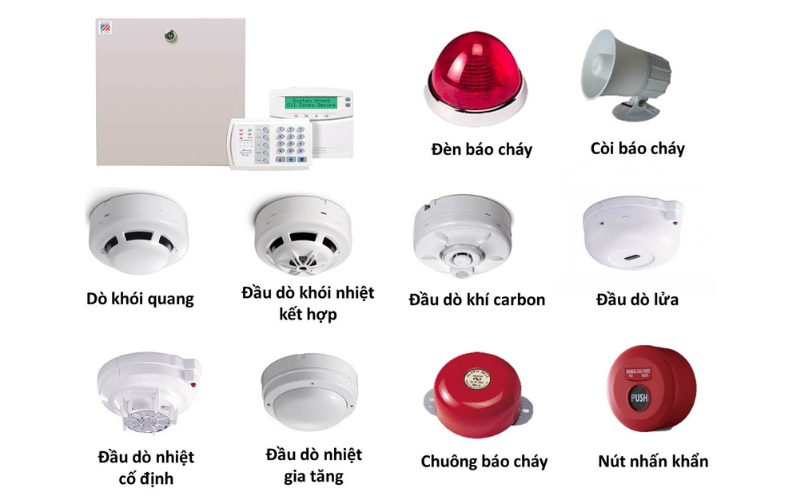
3. Choosing the Type of Detector:
4. Scalability
The system must support scalability to meet the needs of large-scale projects or changes in size.
5. Integration Capabilities
6. Reliability and Maintenance
7. Trusted Brand
8. Compliance with Standards
The system must comply with international standards such as:
9. Cost
Site Survey:
System Design:
2. Prepare Materials and Equipment
3. System Installation
4. System Testing and Programming
5. System Trial Run
6. Commissioning and User Training
7. Maintenance and Care
With over 14 years of experience in providing fire alarm equipment and fire safety solutions, KPS is one of the most reputable and professional suppliers in Vietnam. We offer addressable fire alarm systems from famous brands, suitable for a wide range of projects including factories, buildings, hospitals, schools, shopping centers, and residential areas.
KPS provides genuine fire alarm products from world-renowned brands such as:
KPS not only provides products but also offers comprehensive fire safety solutions, from survey and design to installation, maintenance, and regular testing. Our technical team ensures that the system operates effectively and is always ready to protect your property.
With KPS, customers always receive professional services:
All KPS products meet international certifications such as UL (Underwriters Laboratories), EN54 (European Standards for Fire Detection), and ISO 7240, ensuring reliability and safety.
KPS is committed to providing the maximum safety for your property through high-quality products and services. We are always ready to accompany customers throughout the life cycle of the fire safety system, from consultation, installation, and maintenance to upgrades.
Stay updated with the latest news on our Fanpage: KPS System Corp
Other news

Signify and KPS sign strategic partnership agreement.
Signify and KPS have signed a strategic partnership to promote smart, energy-efficient lighting solutions for buildings in Vietnam.
View detail

From APEC 2017 Da Nang to APEC 2027 Phu Quoc: From traditional security solutions to smart IOCs.
From APEC 2017 security monitoring solutions to a smart IOC model for APEC 2027 in Phu Quoc.
View detail

Team Building KPS 2026 | Da Nang - Hoi An - Hue
KPS 2026 Team Building journey in Da Nang - Hoi An - Hue, where teams bond, recharge, and spread sustainable values.
View detail

Optimizing air conditioning based on room conditions in hotels and resorts.
Why do 20-30% of hotel rooms still have their air conditioning running even when there are no guests?
View detail

Energy-saving solutions for hotels and resorts - without compromising the experience.
Consulting and implementing EMS systems for hotels - reducing electricity costs, smarter operation - without compromising customer experience.
View detail

Energy Management System (EMS): Cost and Operation Optimization
EMS solutions help businesses monitor, analyze, and optimize energy in real time, saving 10-30% on electricity costs.
View detail
ABOUT KPS


Regulations and policies
Warranty and return policy Delivery, payment, and feedback Giấy phép kinh doanhContact Information
HO CHI MINH OFFICE
10–12 Dong Van Cong Street, Cat Lai Ward, Ho Chi Minh City.
+842839976099 / 903 709 019
info@kps.com.vn
www.kps.com.vn
Work time
Monday – Friday : 8:00 AM - 17:30 PM
Saturday - Sunday: Off
HA NOI OFFICE
22 Alley 168 Nguyen Xien, Khuong Dinh Ward, Hanoi City
+84 903 709 019
kpshn@kps.com.vn
www.kps.com.vn
Work time
Monday – Friday: 8:00 AM - 17:30 PM
Saturday - Sunday: Off
DA NANG OFFICE
490 Nguyen Tri Phuong, Hoa Cuong Ward, Da Nang City
+84 903 709 019
kpsdn@kps.com.vn
www.kps.com.vn
Work time
Monday – Friday: 8:00 AM - 17:30 PM
Saturday - Sunday: Off
CAN THO OFFICE
11/11 Tran Binh Trong, Ninh Kieu Ward, Ninh Kieu District, Can Tho City.
+84 090 709 019
kpsct@kps.com.vn
www.kps.com.vn
Work time
Monday – Friday: 8:00 AM - 17:30 PM
Saturday - Sunday: Off
SERVICE CENTER - WAREHOUSE
10–12 Dong Van Cong Street, Cat Lai Ward, Ho Chi Minh City.
+ 84 28 3997 0609
baohanh@kps.com.vn
www.kps.com.vn
Work time
Monday – Friday: 8:00 AM - 17:30 PM
Saturday - Sunday: Off
2010 © Bản quyền thuộc KPS
Online: 69 | Visitors Counter: 17746101
About | Recruitment | News | Contact Us


