


info@kps.com.vn
+84 903 709 019
Installing a fire alarm is one of the important steps in ensuring fire safety for buildings from houses, offices to small and large industrial zones. When there is a signal from the smoke sensor, the fire alarm will emit a loud sound to warn, helping people to evacuate in time and minimize damage to people and property. Installing a fire alarm properly not only complies with safety regulations but also helps protect the safety of your life and property.
The fire alarm is an important device in the fire protection system, it has a supporting role with the fire alarm light to create a combination of images and warning sounds to warn of fire and explosion for objects in the dangerous warning area. When the fire alarm system detects signs such as smoke, high temperature or toxic gas, the fire alarm will automatically emit a loud sound to warn of danger.
Fire alarms combined with smoke and heat sensors, control centers and fire sprinkler systems are effective ways to deal with fires and explosions.
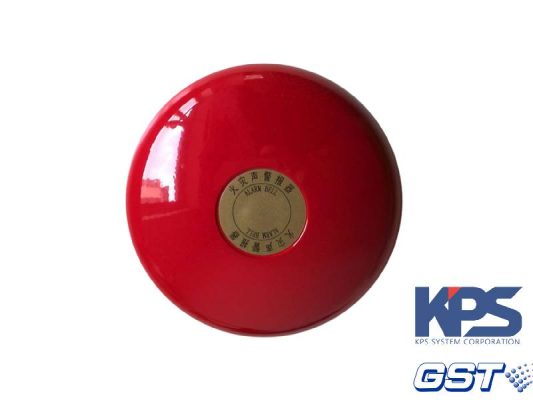
The Importance of Installing Fire Alarms
Fire alarms play an extremely important role in ensuring fire safety, especially in apartment buildings or industrial parks. The benefits of installing fire alarms include:
Early detection of fire incidents: Fire alarms operate based on sensors that detect smoke, heat or toxic gases. When there are signs of fire, the alarm will emit a loud sound, helping to detect the situation early and take action.
Fast and effective warning: The sound of the fire alarm is loud enough to notify everyone in the area, helping them quickly recognize the risk and evacuate promptly, minimizing casualties and property in the safest way
Protection of property and minimizing damage: When the fire alarm is activated, people can quickly evacuate and notify the fire department to prevent the fire from spreading, helping to minimize property damage.
Compliance with fire safety regulations: Installing a fire alarm system including a fire alarm is an indispensable part of many fire safety standards. Not only does it help keep people and property safe, but it also prevents fines or business shutdowns due to violations.
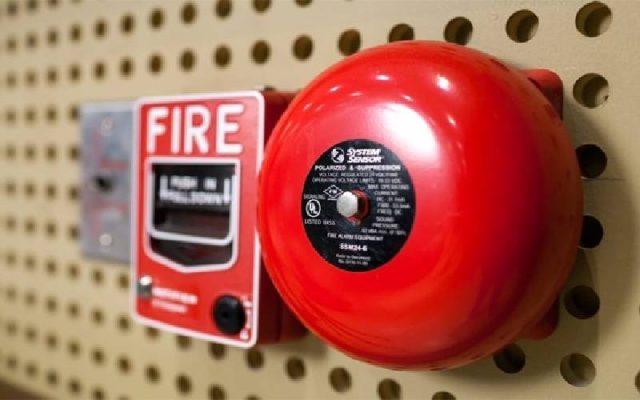
Fire alarms must comply with fire prevention and fighting standards and regulations to ensure effectiveness in warning and preventing fires. Below are the main standards and regulations to note when installing fire alarms:
In Vietnam, the installation of fire alarm systems, including the installation of fire alarms, must comply with TCVN 5738:2021 on automatic fire alarm systems.
This standard clearly stipulates the technical requirements, design, installation and inspection of automatic fire alarm systems, including:
Scope of application of fire alarm systems.
Standards on components such as sensors, alarms, control panels.
Procedures for maintenance and periodic inspection of fire alarm systems.
Installation height: Fire alarm bells should be installed at a height of 2.5m to 3m above the ground so that the sound is clear and spreads throughout the space.
Distance between bells: The distance between bells must ensure that the sound can cover the entire area that needs to be warned, usually from 30m to 60m depending on the scale of the project.
Open and closed spaces: In open spaces (such as factories), alarm bells should be arranged in many locations to ensure that everyone can hear the warning sound. In closed spaces (such as offices, houses), fire alarm bells should be installed in the hallway, near the exit.
Fire alarm bells must emit a loud enough sound to warn people in the danger zone. Standards typically require the bell volume to be at least 65 decibels (dB) in living areas, and at least 75 dB in noisy areas (factories, workshops).
The volume of the alarm bell also needs to be different from other types of bells or conventional alarms so that people can easily recognize it when there is an incident.
The fire alarm bell should be located near the exits and crowded areas to ensure that people can quickly respond to the fire alarm signal.
Avoid installing the alarm bell in places where loud noises can reduce the effectiveness of the warning, or in spaces with strong sound insulation.
Synchronized system: The fire alarm bell must be connected to the central fire alarm system to operate synchronously with smoke, heat sensors, and other warning devices.
Integration with other fire protection systems: Fire alarms can be integrated with sprinkler systems and automatic escape systems to provide a synchronized and rapid response in the event of a fire.
According to national and international standards, fire alarm systems need to be inspected periodically at least once every 6 months. This includes checking the performance of fire alarms, sensors, and other equipment.
Regular inspection helps ensure that the system is always working properly, avoiding technical errors that can affect the alarm process in an emergency.
Fire alarms must be installed and connected to a stable power source. In case the fire alarm system uses a main power source, a UPS is required to ensure continuous operation even during a power outage.
Cables and wiring systems must also comply with fire protection standards, ensuring that there is no risk of electrical short circuits or fires during operation
Pre-use inspection: After installation, the fire alarm system, including the alarm bell, must be tested to ensure that it is working properly.
Regular emergency testing: Buildings should conduct regular fire drills to ensure that the system can respond quickly and accurately in an emergency.
Other news

Signify and KPS sign strategic partnership agreement.
Signify and KPS have signed a strategic partnership to promote smart, energy-efficient lighting solutions for buildings in Vietnam.
View detail

From APEC 2017 Da Nang to APEC 2027 Phu Quoc: From traditional security solutions to smart IOCs.
From APEC 2017 security monitoring solutions to a smart IOC model for APEC 2027 in Phu Quoc.
View detail

Team Building KPS 2026 | Da Nang - Hoi An - Hue
KPS 2026 Team Building journey in Da Nang - Hoi An - Hue, where teams bond, recharge, and spread sustainable values.
View detail

Optimizing air conditioning based on room conditions in hotels and resorts.
Why do 20-30% of hotel rooms still have their air conditioning running even when there are no guests?
View detail

Energy-saving solutions for hotels and resorts - without compromising the experience.
Consulting and implementing EMS systems for hotels - reducing electricity costs, smarter operation - without compromising customer experience.
View detail

Energy Management System (EMS): Cost and Operation Optimization
EMS solutions help businesses monitor, analyze, and optimize energy in real time, saving 10-30% on electricity costs.
View detail
ABOUT KPS


Regulations and policies
Warranty and return policy Delivery, payment, and feedback Giấy phép kinh doanhContact Information
HO CHI MINH OFFICE
10–12 Dong Van Cong Street, Cat Lai Ward, Ho Chi Minh City.
+842839976099 / 903 709 019
info@kps.com.vn
www.kps.com.vn
Work time
Monday – Friday : 8:00 AM - 17:30 PM
Saturday - Sunday: Off
HA NOI OFFICE
22 Alley 168 Nguyen Xien, Khuong Dinh Ward, Hanoi City
+84 903 709 019
kpshn@kps.com.vn
www.kps.com.vn
Work time
Monday – Friday: 8:00 AM - 17:30 PM
Saturday - Sunday: Off
DA NANG OFFICE
490 Nguyen Tri Phuong, Hoa Cuong Ward, Da Nang City
+84 903 709 019
kpsdn@kps.com.vn
www.kps.com.vn
Work time
Monday – Friday: 8:00 AM - 17:30 PM
Saturday - Sunday: Off
CAN THO OFFICE
11/11 Tran Binh Trong, Ninh Kieu Ward, Ninh Kieu District, Can Tho City.
+84 090 709 019
kpsct@kps.com.vn
www.kps.com.vn
Work time
Monday – Friday: 8:00 AM - 17:30 PM
Saturday - Sunday: Off
SERVICE CENTER - WAREHOUSE
10–12 Dong Van Cong Street, Cat Lai Ward, Ho Chi Minh City.
+ 84 28 3997 0609
baohanh@kps.com.vn
www.kps.com.vn
Work time
Monday – Friday: 8:00 AM - 17:30 PM
Saturday - Sunday: Off
2010 © Bản quyền thuộc KPS
Online: 42 | Visitors Counter: 17755197
About | Recruitment | News | Contact Us


