


info@kps.com.vn
+84 903 709 019
If you want to own a modern, convenient home, a perfect water supply and drainage system is the key element. It ensures a clean water supply, efficient wastewater treatment, and brings comfort to your life. Let’s explore how to build this system from the very first steps to make your dream home a reality!
A water supply and drainage system is a collection of equipment, pipelines, and structures designed to supply clean water and treat wastewater in construction works such as residential houses, buildings, and industrial areas. Simply put, the water supply and drainage system is the network that distributes clean water from natural sources or storage tanks to buildings, regulates the water supply (ensuring sufficient water for living and production), and collects and transports wastewater to wastewater treatment plants. This system consists of two main components:
Ensures clean water is provided from sources (such as wells, water stations, reservoirs) to usage points such as sinks, showers, and washing machines.
It includes components like water tanks, pumps, pipes, control valves, and water treatment equipment if necessary.
Collects and treats wastewater from daily activities, rainwater, or industrial operations before releasing it into the environment.
It includes components like water traps (P-traps), drainage pipes, manholes, and wastewater treatment systems.
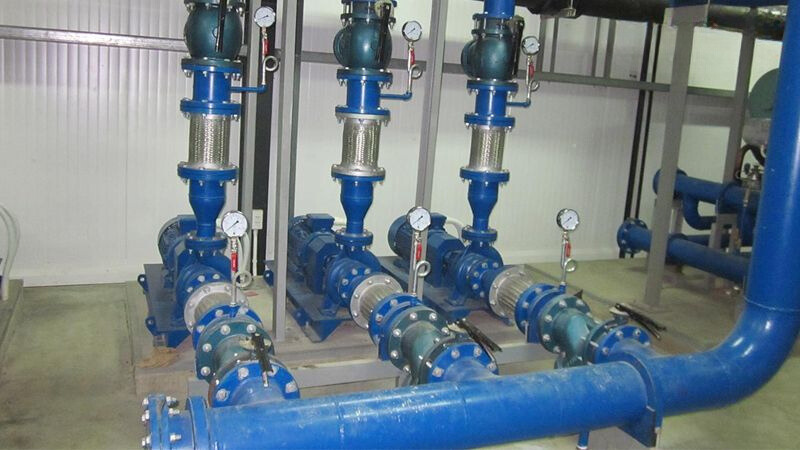
The water supply system is the source of clean water for daily living and production. Clean water is essential for health, personal hygiene, cooking, and other daily activities. In construction works, ensuring a stable and safe water supply is a prerequisite for maintaining operations.
Efficient Wastewater Treatment and Drainage
The drainage system helps remove wastewater from daily activities and rainwater quickly, preventing flooding and environmental pollution. This is especially important in urban areas with high population density and large amounts of wastewater.
Protecting the Environment and Public Health
A properly designed and operated drainage system helps prevent pollution of water, soil, and air. It also contributes to limiting the spread of waterborne infectious diseases, such as diarrhea and Hepatitis A.
Increasing the Lifespan of Buildings
An efficient water supply and drainage system helps protect the foundation and structure of buildings from negative water impacts such as leakage, erosion, or mold. This extends the lifespan of the building and reduces maintenance and repair costs.
Improving Quality of Life
A complete water supply and drainage system provides comfort and safety, allowing residents to enjoy daily living conveniences without worrying about water quality or wastewater treatment.
Meeting Sustainable Development Requirements
In the context of urbanization and climate change, water supply and drainage systems play a crucial role in utilizing water resources efficiently and protecting the environment. They are also key to building green, environmentally friendly structures.
Protecting Health
Providing clean and safe water helps reduce the risk of waterborne diseases such as diarrhea and Hepatitis A. It also prevents the spread of epidemics, contributing to public health, especially in densely populated urban areas.
Protecting the Environment
Minimizing surface and groundwater pollution, preserving natural ecosystems, and maintaining balance in aquatic ecosystems contribute to biodiversity conservation. It also helps reduce flooding during the rainy season and effectively addresses drought conditions.
Promoting Socio-Economic Development
The system supports industrial and agricultural production by ensuring a stable water supply. Good water infrastructure attracts investment, promotes tourism, and other service sectors. It also contributes to improving the quality of life, thus fostering sustainable social development.
Convenience in Daily Life
Ensures a continuous supply of clean water for daily activities such as cooking, bathing, and washing. It minimizes common issues like blockages and leaks, helping maintain a clean and safe living environment.
Cost Savings
Reduces costs from repairs and maintenance due to the system's proper design and installation. It also increases the lifespan of water-using devices such as washing machines and water heaters, minimizing replacement costs.
Peace of Mind About Health
No need to worry about water quality, ensuring the health and safety of oneself and family members. It guarantees hygiene and prevents waterborne diseases, leading to a healthy and safe life.
When designing a water supply and drainage system, it is important to follow several key principles to ensure the system operates efficiently, safely, and sustainably. Below are some basic principles:
Ensure Sufficient Pressure and Flow
The water supply system must ensure adequate pressure and flow to meet usage demands. This calculation is based on the water requirements of devices and the number of users.
Water Quality
The water supplied should meet clean water standards, ensuring safety for human health and usage.
Choosing Appropriate Pipe Materials
The pipe materials should be durable, corrosion-resistant, hygienic, and safe for water supply. Commonly used materials include PVC pipes, PPR pipes, or copper pipes.
Minimize Pipe Joints
To reduce the risk of leaks and malfunctions, minimize the number of joints in the system. Preferably, use long continuous pipes and high-quality fittings.
Install Water Meters
Water meters should be installed to monitor and control water consumption within the building or system.
Ensure Proper Drainage Slope
The drainage system must have a suitable slope to ensure wastewater flows out easily, preventing stagnation. The typical slope for drainage pipes is about 1-2%.
Separate Wastewater and Rainwater
Household wastewater and rainwater should be separated to avoid polluting water sources and optimize wastewater treatment efficiency.
Prevent Flooding and Odor
The system should include solutions to prevent flooding, such as installing water traps (P-traps) to block odors and check valves to prevent backflow.
Choose Proper Drainage Locations
Drainage points such as toilets, bathrooms, and kitchens should be strategically placed to be convenient without affecting daily life or aesthetics.
Ensure Safety and Easy Maintenance
The design should ensure the safety of users and allow easy access for maintenance and repairs when needed.
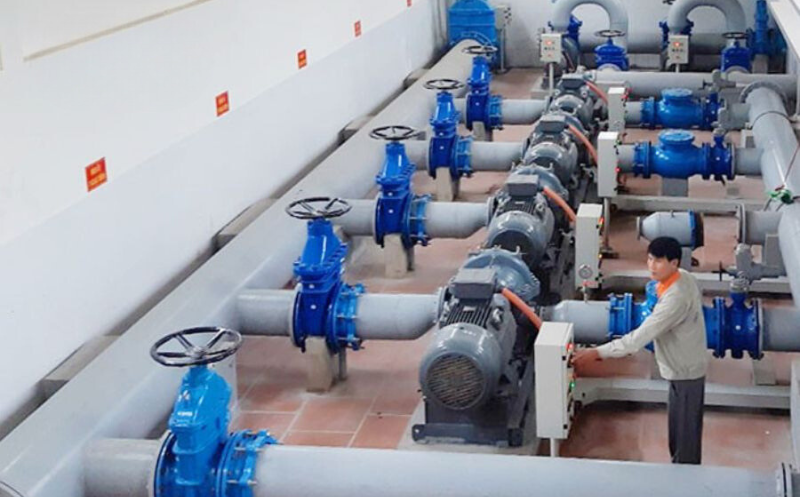
The construction process of water supply and drainage system must be carried out strictly, from the survey, design to construction and maintenance stages. Below are the basic steps in the construction process of water supply and drainage system:
Before designing the water supply and drainage system, a thorough survey is an essential step. This process involves evaluating the water source, water usage needs, as well as the geographical, climatic, and environmental conditions of the construction area. In addition, the water demand for domestic use, production, and other activities needs to be determined, including calculating the number of people using water, the number of houses, the area size, and the water consumption capacity. All these factors need to be accurately identified to ensure that the system operates efficiently and meets users' needs.
In the water supply design phase, a detailed plan for pipelines, storage tanks, and pumps must be developed. Calculating pipe sizes, water pressure, and the locations of water supply stations is crucial to ensure the system operates reliably, meets demand, and maintains long-term efficiency. Additionally, the drainage system should be designed with appropriate drainage pipes for rainwater and wastewater, clearly defining the pathways for the pipes, wastewater treatment stations, and implementing environmental protection measures to prevent pollution. Material selection, including pipes, fittings, and equipment, is also essential. The materials must be suitable for the environment, resistant to corrosion, and ensure the system's longevity.
Before starting construction, it is important to obtain the necessary permits from the relevant authorities. This process ensures that the water supply and drainage system is designed and built according to safety requirements, environmental protection standards, and current legal regulations. During the design and construction process, strict adherence to industry standards and technical regulations is essential to guarantee the project's quality while protecting the community and surrounding environment.
During construction, the first step is to excavate the ground and install the water supply and drainage pipes according to the approved design. Attention should be paid to the depth and location of the pipes to ensure the system operates efficiently without interfering with other structures. Once the piping installation is complete, the next step is to install the necessary equipment such as storage tanks, pumps, wastewater treatment stations, manholes, and other auxiliary devices to ensure smooth system operation.
Finally, once installation is complete, the system must be tested. This includes checking water pressure, sealing of pipe joints, and verifying the operation of pumps and equipment. These steps ensure that the system functions as designed and can be used safely and reliably over the long term.
Before handing over the system, it is essential to check the water quality. Both the supply and wastewater need to be tested to ensure they meet environmental hygiene standards, ensuring safety for public health. At the same time, the operation of the entire system should be inspected to ensure it functions smoothly, without issues like leaks, blockages, or technical problems that could affect its efficiency.
When all quality inspection requirements are met, the project can be handed over to the investor or operating unit. The handover process should be thorough, ensuring that the investor receives complete information about the system to operate, maintain, and use it effectively and sustainably.
After the water supply and drainage system is handed over, stable and efficient operation is crucial. Ensuring that the system functions as designed from the moment it is put into use, without issues such as water pressure problems, leaks, or blockages, will help maintain its long-term effectiveness.
Regular maintenance is essential for the system to operate sustainably. A scheduled maintenance plan should be established to detect potential issues early and address them promptly. Maintenance tasks include cleaning pipes, inspecting and servicing pumps, and addressing any problems that arise. This helps ensure that the system operates at optimal performance, minimizes unexpected issues, and extends the system's lifespan.
Other news

Signify and KPS sign strategic partnership agreement.
Signify and KPS have signed a strategic partnership to promote smart, energy-efficient lighting solutions for buildings in Vietnam.
View detail

From APEC 2017 Da Nang to APEC 2027 Phu Quoc: From traditional security solutions to smart IOCs.
From APEC 2017 security monitoring solutions to a smart IOC model for APEC 2027 in Phu Quoc.
View detail

Team Building KPS 2026 | Da Nang - Hoi An - Hue
KPS 2026 Team Building journey in Da Nang - Hoi An - Hue, where teams bond, recharge, and spread sustainable values.
View detail

Optimizing air conditioning based on room conditions in hotels and resorts.
Why do 20-30% of hotel rooms still have their air conditioning running even when there are no guests?
View detail

Energy-saving solutions for hotels and resorts - without compromising the experience.
Consulting and implementing EMS systems for hotels - reducing electricity costs, smarter operation - without compromising customer experience.
View detail

Energy Management System (EMS): Cost and Operation Optimization
EMS solutions help businesses monitor, analyze, and optimize energy in real time, saving 10-30% on electricity costs.
View detail
ABOUT KPS


Regulations and policies
Warranty and return policy Delivery, payment, and feedback Giấy phép kinh doanhContact Information
HO CHI MINH OFFICE
10–12 Dong Van Cong Street, Cat Lai Ward, Ho Chi Minh City.
+842839976099 / 903 709 019
info@kps.com.vn
www.kps.com.vn
Work time
Monday – Friday : 8:00 AM - 17:30 PM
Saturday - Sunday: Off
HA NOI OFFICE
22 Alley 168 Nguyen Xien, Khuong Dinh Ward, Hanoi City
+84 903 709 019
kpshn@kps.com.vn
www.kps.com.vn
Work time
Monday – Friday: 8:00 AM - 17:30 PM
Saturday - Sunday: Off
DA NANG OFFICE
490 Nguyen Tri Phuong, Hoa Cuong Ward, Da Nang City
+84 903 709 019
kpsdn@kps.com.vn
www.kps.com.vn
Work time
Monday – Friday: 8:00 AM - 17:30 PM
Saturday - Sunday: Off
CAN THO OFFICE
11/11 Tran Binh Trong, Ninh Kieu Ward, Ninh Kieu District, Can Tho City.
+84 090 709 019
kpsct@kps.com.vn
www.kps.com.vn
Work time
Monday – Friday: 8:00 AM - 17:30 PM
Saturday - Sunday: Off
SERVICE CENTER - WAREHOUSE
10–12 Dong Van Cong Street, Cat Lai Ward, Ho Chi Minh City.
+ 84 28 3997 0609
baohanh@kps.com.vn
www.kps.com.vn
Work time
Monday – Friday: 8:00 AM - 17:30 PM
Saturday - Sunday: Off
2010 © Bản quyền thuộc KPS
Online: 34 | Visitors Counter: 17756047
About | Recruitment | News | Contact Us


