Instructions for installation and use of automatic fire extinguishing equipment
Currently, equipping automatic fire extinguishing systems is an indispensable safety solution in modern buildings. To ensure the system operates effectively, proper technical installation and correct usage play a crucial role. This article will provide a detailed guide on installing and using automatic fire extinguishing devices, helping you confidently protect your family and assets from fire hazards.
Introduction to Automatic Fire Detection Systems
What are Automatic Fire Detection Devices?
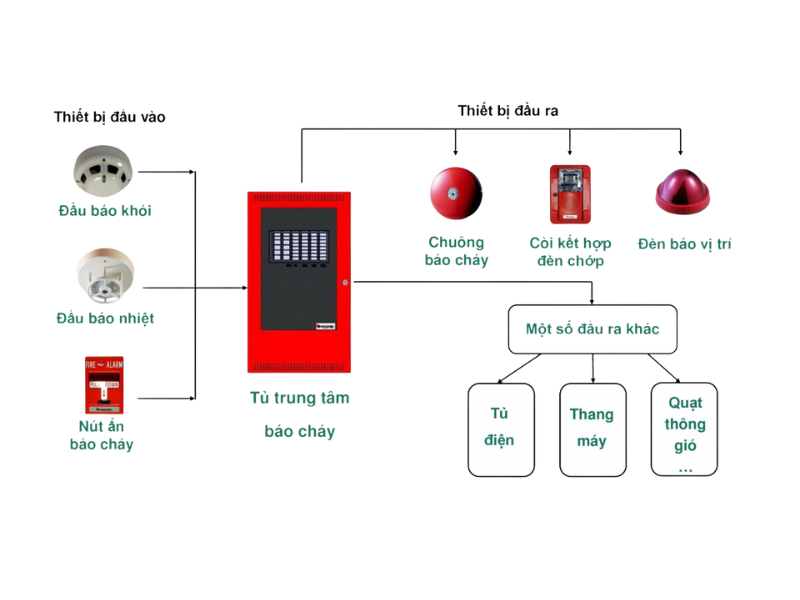
Automatic fire detection devices are systems comprising various electronic and mechanical components designed to detect and alert when a fire occurs. These systems operate based on sensors sensitive to heat, smoke, or flames. Upon detecting fire indicators, the sensors activate alarms, signal lights, or other devices to warn people of the danger. These devices function without direct human intervention, ensuring alert capability even when no one is on-site to monitor.
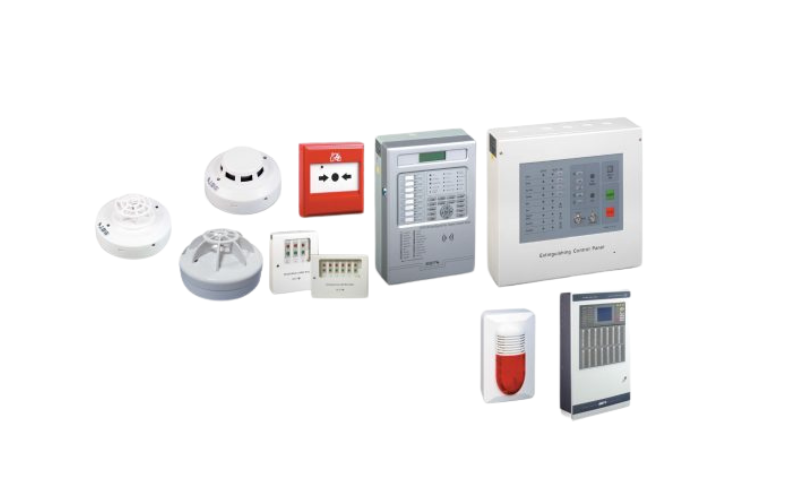
Key Components of an Automatic Fire Detection System
Fire Detectors
-
Smoke Detectors: Detect the presence of smoke in the environment.
-
Heat Detectors: Identify unusual increases in temperature.
-
Gas Detectors: Detect toxic gases generated by fires.
Control Panel
- Receives signals from detectors.
- Processes information and activates alarms.
Alarm System
-
Alarm Bells and Signal Lights: Notify people in the vicinity of danger.
- Connects with automatic fire suppression systems or sends signals to the management center.
Backup Power Supply
- Ensures the system operates continuously even during a power outage.
Operating Principle
The automatic fire detection system operates by detecting initial fire indicators such as increased temperature, smoke, or toxic gases. When these indicators exceed the permissible threshold, the system automatically activates alarms to warn people of the fire.
General Operating Procedure of an Automatic Fire Detection System:
-
Fire Detection:
- Fire detectors (smoke, heat, gas) continuously monitor the surrounding environment.
- Upon detecting fire indicators, the detectors send signals to the control panel.
-
Signal Processing:
- The control panel receives the fire signal from the detectors.
- It processes the information and determines the fire location and the severity of the alarm.
-
Alarm Activation:
- If a fire is confirmed, the control panel activates alarm devices, such as:
-
Alarm Bells: Emit loud sounds to alert people.
-
Signal Lights: Blink to attract attention.
-
Display Screens: Show information about the fire location.
-
Messages: Send alerts to phones or computers.
-
Activation of Other Devices:
- Depending on the system design, it may also activate other devices such as automatic sprinklers, ventilation systems, or emergency exit doors.
The Importance of Automatic Fire Suppression Systems in Modern Buildings
In the context of urbanization and modernization, buildings are becoming larger and more complex. Equipping buildings with automatic fire suppression systems has become indispensable to ensure safety and protect assets. These systems play a crucial role in preventing, detecting, and quickly addressing fire risks, especially in environments requiring high safety standards, such as office buildings, shopping centers, and industrial facilities.
1. Protecting Human Lives
Automatic fire suppression systems play a vital role in safeguarding human lives.
- In the event of a fire, automatic fire detection and sprinkler systems can quickly detect and extinguish fires, minimizing casualties.
- Equipment like portable fire extinguishers and emergency exit systems enable occupants to protect themselves while waiting for firefighters to arrive.
- A fully equipped fire suppression system helps reduce panic and guides people to safely evacuate hazardous areas.
The presence of these systems not only enhances peace of mind but also creates a safe and reliable living and working environment for residents and employees.
2. Protecting Assets and Infrastructure
In addition to saving lives, automatic fire suppression systems help protect property and infrastructure.
- Automatic fire alarms and sprinkler systems can control fires in their early stages, minimizing damage to equipment, furnishings, and building structures.
- Fire extinguishers and emergency escape devices assist in safeguarding both personal and public property during evacuation.
- Reducing damage also limits disruptions to business operations and daily life, lowering recovery costs.
By protecting assets, automatic fire suppression systems also help businesses maintain operational stability in production and commerce.
3. Minimizing Damage and Recovery Costs After Fires
One of the standout benefits of automatic fire suppression systems is the ability to minimize fire-related damage.
- These systems detect and address fires immediately, preventing the fire from spreading before firefighters arrive.
- Early control helps limit structural damage to the building and its contents.
- As a result, recovery costs, including repairs, replacement of assets, and insurance claims, are significantly reduced.
Additionally, ensuring fire suppression systems are in good working order helps businesses avoid fines for non-compliance with fire safety regulations and maintain their reputation and trustworthiness with customers.
Common Types of Automatic Fire Suppression Systems
In modern buildings, using automatic fire suppression systems not only ensures safety but also enhances fire prevention efficiency. Below are the most common types of automatic fire suppression systems:
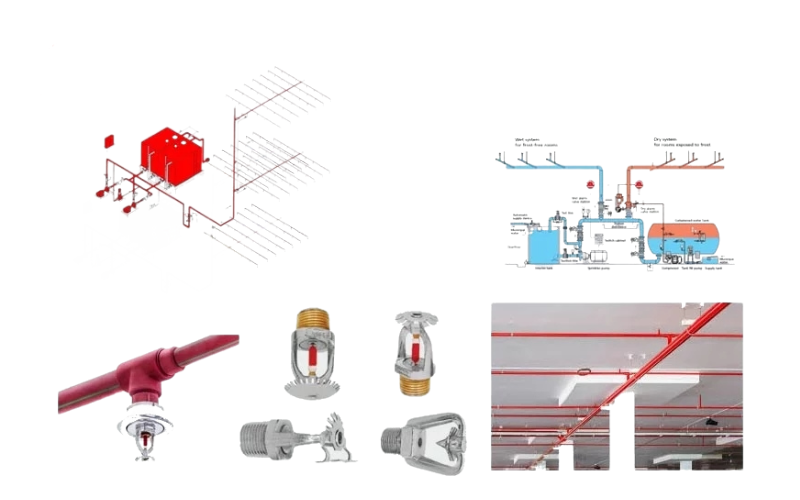
1. Automatic Sprinkler System
This system is widely used for its efficiency and reliability.
-
Structure: Consists of sprinkler heads, piping, and control valves.
-
Operating Principle: When the temperature around the sprinkler head exceeds the allowable threshold, sensors activate, releasing water to extinguish the fire.
-
Advantages: Quick response, suitable for areas such as offices, shopping malls, and residential buildings.
-
Disadvantages: Can cause water damage to assets and is not suitable for areas containing electronic equipment.
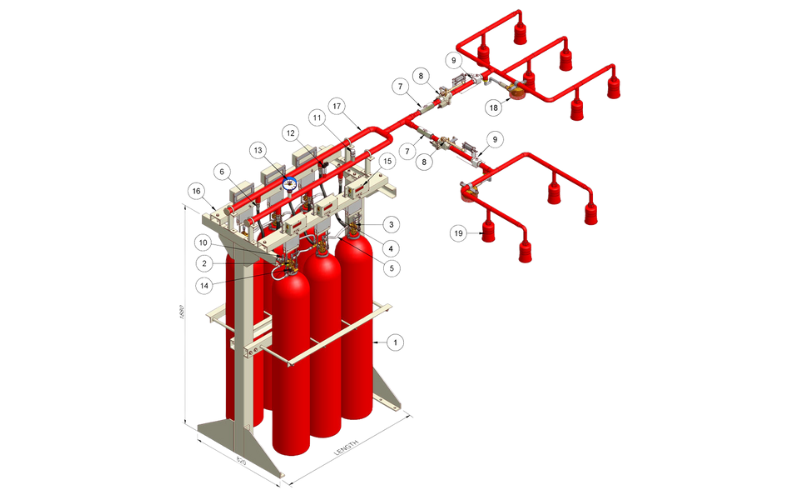
2. Gas-Based Fire Suppression System
This type of system uses gas to extinguish fires, making it suitable for areas sensitive to water.
Common Fire Suppression Gases:
-
CO2: Commonly used for control rooms and machinery rooms.
-
Argon: Ideal for areas containing high-value electronic equipment.
-
FM-200: A colorless, odorless, non-conductive gas that is environmentally friendly.
Applications:
- Server rooms, data centers, or storage areas for important documents.
Advantages:
- Does not damage electronic equipment and leaves no residue after extinguishing a fire.
Disadvantages:
- High cost and requires a complex system design.
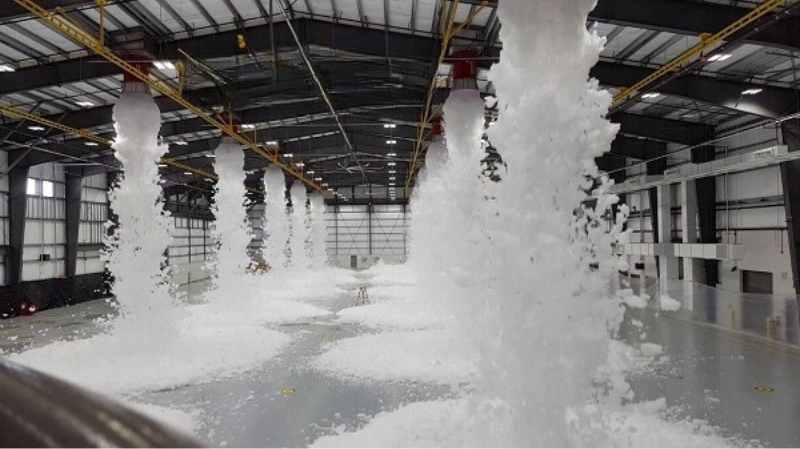
3. Foam Fire Suppression System
This system is highly effective for fires caused by flammable liquids such as oil or chemicals.
Operating Mechanism:
- Utilizes foam to cover the surface of the fire, blocking oxygen from reaching the flames.
Applications:
- Chemical plants, fuel storage facilities, and areas containing flammable materials.
Advantages:
- Quickly extinguishes large and complex fires.
Disadvantages:
- High initial investment cost and requires frequent maintenance.
4. Ceiling-Mounted Automatic Fire Extinguisher
This is a simple, easy-to-install device suitable for small spaces.
Structure:
- Contains extinguishing agents such as powder, CO₂, or gas.
Operating Principle:
- When the temperature rises to the activation threshold, the extinguisher automatically releases the extinguishing agent into the surrounding area.
Applications:
- Warehouses, kitchens, or hard-to-reach areas.
Advantages:
- Easy to use, low cost, and suitable for small fires.
Disadvantages:
- Limited coverage, not suitable for large fires.
5. Automatic Fire Alarm System with Integrated Fire Suppression
This system combines fire detection with the activation of firefighting equipment.
Structure:
- Includes smoke, heat, or gas sensors integrated with automatic suppression systems such as sprinklers or gas extinguishers.
Advantages:
- Ensures quick response to emergencies, minimizing reaction time.
Disadvantages:
- Requires integration with other firefighting equipment to fully extinguish fires.
Applications:
- Modern buildings, shopping malls, or hospitals.
Guide to Choosing Automatic Firefighting Equipment
Selection Criteria
1. Type of Fire to Protect Against
Each type of automatic firefighting equipment is suitable for specific types of fires. For example:
-
Sprinkler systems are ideal for general fires.
-
Gas-based systems (CO₂, FM-200) are more appropriate for areas housing electronic equipment, server rooms, or spaces where water cannot be used.
Choose equipment based on the materials or high-risk areas (e.g., chemical warehouses, shopping malls, machinery areas).
2. Area and Structure of the Building
The area and structure of the building significantly influence the choice of an appropriate system:
- Large facilities, such as shopping malls or hospitals, require automatic sprinkler or gas systems to cover wide areas.
- Small buildings or narrow spaces can use ceiling-mounted fire extinguishers or fire alarm systems integrated with firefighting.
3. Response Time and Fire Suppression Efficiency
Automatic firefighting equipment must detect and extinguish fires as quickly as possible.
- Systems like sprinklers can automatically extinguish fires at their inception without human intervention.
- This minimizes damage to property and ensures the safety of lives.
4. Long-Term Protection
Choose firefighting equipment with high durability, easy maintenance, and regular inspection options.
- Opt for products from reputable brands with international safety and quality certifications.
5. Cost and Budget
Cost is an important consideration when purchasing automatic firefighting equipment.
- Complex systems, such as gas suppression or sprinkler systems, have higher investment costs but offer comprehensive protection.
- Evaluate your budget and choose equipment suitable for your needs and building protection requirements.
Notes When Purchasing
1. Certification and Quality Standards
Ensure the chosen equipment meets national and international safety standards, such as:
- UL (Underwriters Laboratories)
- FM (Factory Mutual)
- CE (Conformité Européenne)
These certifications guarantee the effectiveness and safety of the equipment.
2. Maintenance Services and After-Sales Support
Select suppliers that offer regular maintenance services and technical support.
- Regular maintenance and inspection are crucial to ensuring the equipment performs efficiently in emergencies.
3. Compliance with Installation and Regulations
- The installation of automatic firefighting equipment must comply with local fire safety regulations.
- Ensure that the system is installed by skilled and experienced technicians.
4. Choose Reputable Suppliers
- Select suppliers with industry credibility and experience.
- A reputable supplier ensures product quality and reliable after-sales services, including warranties and maintenance.
5. Consider Expansion and Integration Features
- Choose firefighting equipment capable of integrating with other safety systems in the building, such as fire alarms, warning systems, or evacuation systems.
- This enhances the effectiveness of all systems and provides easier control during emergencies.
Installation Guide
Note: Installing an automatic fire suppression system requires professional expertise and experience. To ensure effective and safe operation, it is recommended to hire professional contractors. However, for an overview of the installation process, you can refer to the following information:
I. Preparation Before Installation
Risk Assessment and Site Survey
- Identify high-risk fire areas, potential fire types, and the coverage needed.
- Assess the spatial structure to arrange equipment properly, avoiding obstacles or unnecessary areas.
Installation Planning
- Create a detailed blueprint showing the placement of devices such as sprinkler heads, smoke/heat detectors, control panels, and pipelines.
- Ensure the system complies with current fire safety standards (e.g., TCVN, NFPA, or other international standards).
Equipment and Tool Preparation
- Inspect fire suppression devices (e.g., sprinklers, sensors, control valves) for quality and readiness.
- Prepare tools like pipes, connectors, drills, pipe cutters, etc.
II. Steps to Install Automatic Fire Suppression Systems
Install Smoke/Heat Detectors
- Place detectors in high-risk areas like kitchens, machine rooms, or storage rooms.
- Ensure detectors are mounted on ceilings and at least 50 cm away from obstacles (e.g., lights, fans) for accurate detection.
Install Automatic Water Sprinkler Systems
- Arrange sprinkler heads 1.5 to 4.5 meters apart, depending on building type.
- Connect water pipelines to sprinklers, ensuring they withstand high pressure without leaks.
- Check valve locations to ensure easy access for maintenance or repairs.
Install Gas Suppression Systems (if necessary)
- Place gas suppression cylinders (e.g., CO₂, FM-200) in cool, accessible areas near protected zones.
- Connect cylinders to the gas pipeline and discharge nozzles.
- Ensure the system has auto-release valves and a control panel for activation when needed.
Install the Control Panel
- Position the control panel in an accessible location near the main power supply.
- Connect the panel with smoke detectors, control valves, and suppression devices for synchronized operation.
Check Electrical System and Alarm Connections
- Link the fire suppression system to a backup power source for uninterrupted operation during outages.
- Connect to alarm systems or sirens to alert occupants during fires.
III. System Inspection and Acceptance
Device Functionality Tests
- Test smoke/heat detectors to ensure they detect fires quickly and accurately.
- Activate the water/gas suppression system to confirm efficient fire suppression.
Measure Pressure and Flow Rates
- Measure the pressure at sprinkler heads to ensure adequate strength for fire suppression.
- Evaluate the system’s response time from fire detection to suppression activation.
Training and Handover
- Train residents or staff to use the system and recognize fire alarm signals.
- Provide user guides and maintenance schedules to the designated responsible party.
IV. Important Notes for Installation
Compliance with Regulations
- Ensure the system design and installation meet local fire safety standards.
Regular Maintenance
- Inspect and maintain the system at least every six months to ensure optimal operation.
Professional Installation
- Automatic fire suppression systems should only be installed by certified professionals to ensure safety and technical compliance.
KPS - Trusted Automatic Fire Suppression Equipment Supplier in Vietnam
With over 14 years of experience in providing fire detection and safety solutions, KPS is a leading professional supplier in Vietnam. We specialize in distributing and installing high-quality conventional fire alarm systems that meet international safety standards, ensuring peace of mind for customers, from families and businesses to large projects.
1. Renowned, Genuine Brands
KPS provides fire alarm products from globally recognized brands, such as:
-
JST: High-quality smoke and heat detectors.
-
Bosch: Advanced addressable fire alarm systems with smart integration capabilities.
-
Kentec Fire: Reliable fire alarm control panels for projects of all sizes.
2. Comprehensive Solutions
KPS not only supplies products but also offers end-to-end fire safety solutions, including surveys, designs, installations, maintenance, and inspections. Our technical team ensures the system operates efficiently, ready to protect your premises at all times.
3. Professional Service, 24/7 Technical Support
With KPS, customers always receive professional service:
-
Custom design advice tailored to different building types and budgets.
-
Precise installation following Vietnamese and international fire safety standards.
-
Routine maintenance to keep the system in top condition.
-
24/7 technical support to address any issues promptly.
4. International Standard Certifications
All KPS products are certified with international standards like UL (Underwriters Laboratories), EN54 (European Standards for Fire Detection), and ISO 7240, ensuring reliability and safety.
KPS Commitment
KPS is committed to providing maximum safety for your property through high-quality products and services. We are always ready to accompany customers throughout the lifecycle of the fire suppression system, from consultation, installation, and maintenance to upgrades.
Stay updated with the latest news on our Fanpage: KPS System Corp.
Câu hỏi thờng gặp
Có những loại thiết bị chữa cháy tự động nào?
4 loại phổ biến: Sprinkler phun nước (phổ biến nhất, phù hợp văn phòng, nhà ở), Chữa cháy khí CO2/FM-200 (phòng máy chủ, trung tâm dữ liệu), Chữa cháy bọt Foam (kho xăng dầu, nhà máy hóa chất), Bình chữa cháy tự động treo trần (không gian nhỏ, nhà kho).
Nên chọn hệ thống chữa cháy nào cho công trình?
Phụ thuộc vào 3 yếu tố: Loại đám cháy (chất lỏng, điện, thông thường), Diện tích và cấu trúc công trình, Tài sản cần bảo vệ. Khu vực thiết bị điện tử dùng khí FM-200; khu vực thông thường dùng Sprinkler; kho xăng dầu dùng Foam.
Hệ thống chữa cháy tự động hoạt động như thế nào?
4 bước: Cảm biến liên tục giám sát môi trường → Phát hiện dấu hiệu cháy, gửi tín hiệu về tủ trung tâm → Tủ xác định vị trí và mức độ nguy hiểm → Kích hoạt chuông, đèn báo động và đầu phun chữa cháy tự động.
Thiết bị chữa cháy tự động cần bảo trì bao lâu một lần?
Tối thiểu 6 tháng/lần theo quy định. Nội dung gồm: kiểm tra cảm biến, áp suất đường ống, tủ điều khiển và kết nối nguồn dự phòng. Hệ thống không được bảo trì định kỳ có thể hoạt động sai hoặc không kích hoạt khi có sự cố thực.


