


info@kps.com.vn
+84 903 709 019
In recent years, PA (Public Address) systems have become an essential audio solution for facilities such as offices, buildings, shopping centers, hospitals, and schools. Let’s explore what a PA system is and why it has become widely used in modern facilities in the article below.
A PA system (short for Public Address System), also known as a public audio system, is an electronic system designed to amplify and distribute sound across a large area. Typically, this system is used in crowded places like offices, hotels, restaurants, train stations, supermarkets, airports, etc. The purpose of this system is to broadcast announcements and convey information to everyone present over a long distance or across a large area.
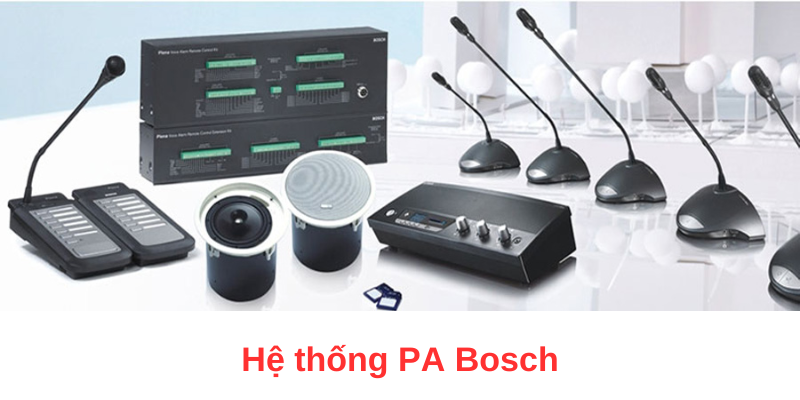
The main components of a PA system include:
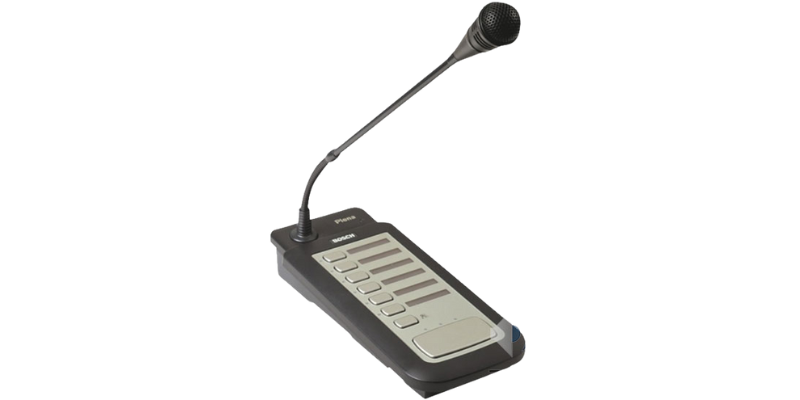
A Public Address (PA) system operates based on the principles of capturing, processing, amplifying, and reproducing sound. First, the microphone captures sound waves and converts them into electrical signals. These signals are then sent to an audio mixer, where they can be combined with other audio sources, such as background music, and adjusted for volume or effects (e.g., echo, reverb). Since the signals from the mixer are typically weak, they need to be amplified by a power amplifier to reach a sufficient energy level. Finally, the amplified signals are sent to the speakers, which convert them back into sound waves, projecting announcements or music to listeners in the designated area.
Public Address (PA) systems have gained popularity due to their ability to effectively deliver audio to large audiences across vast and diverse spaces.
PA systems are versatile, catering to various settings such as:
Internal announcements and guidance, integrated with fire alarm systems for emergency alerts.
Background music, promotional messages, event notifications, and emergency broadcasts.
Patient information announcements, emergency calls for medical staff, and general guidance.
Production updates, safety instructions, and alerts to improve workflow and safety.
Daily announcements, event coordination, and emergency instructions.
Flight and train information, gate changes, and emergency instructions to manage passenger flow.
Background music, event notifications, and emergency instructions for a comfortable and secure guest experience.
Event notifications, ambient music, and emergency alerts to ensure a safe and welcoming environment.
The first step in installing a PA system is conducting a site survey. Technicians will assess the space where the system will be installed, determining the area, building materials, and other factors that may affect sound quality. Based on this, they develop a detailed plan, which includes selecting suitable equipment and designing a layout for speakers, microphones, mixers, and other devices.
Choosing the right equipment is crucial to ensure the PA system operates effectively. The basic components include microphones (handheld, wireless, or gooseneck), a mixer for combining and adjusting audio signals, an amplifier to boost the signal, and various types of speakers such as box speakers, column speakers, or ceiling speakers. Additionally, cables and accessories must be carefully selected to ensure stable signal transmission.
Once all the equipment is gathered, technicians proceed with installation according to the pre-planned layout. Speakers are installed in suitable positions to ensure even sound distribution and avoid dead spots. Mixers and amplifiers are placed in accessible locations for easy operation. Cables are neatly routed and securely connected to prevent signal interference or disconnection.
After installation, the system is configured and tested. The mixer and amplifier are adjusted to optimize volume, bass, treble, and other audio effects. The system is then tested by playing sample sounds to check coverage and quality. If any issues arise, such as feedback or unclear sound, technicians will resolve them immediately.
Once installation and testing are complete, the technical team will train the operators on how to use the system, from adjusting the mixer to handling basic troubleshooting. Finally, the system is handed over with a user manual, installation diagram, and warranty information.
A PA system requires regular maintenance to ensure optimal performance. Checking devices like speakers, microphones, amplifiers, and cables helps identify potential issues early. Technicians can also clean the equipment and upgrade the system as needed to maintain sound quality and meet new requirements.
With over 14 years of experience in providing audio solutions and PA (Public Address) systems, KPS is proud to be a reputable and professional provider in Vietnam. We offer comprehensive audio solutions suitable for a wide range of facilities, including factories, schools, hospitals, shopping centers, and residential areas.
KPS collaborates with world-renowned audio brands to provide high-quality PA equipment:
All products are genuine, with full international certifications, ensuring reliability and safety.
KPS offers end-to-end audio solutions to meet diverse customer needs:
KPS is committed to providing professional service and continuous customer support:
The products and PA systems provided by KPS meet international standards such as ISO, CE, and UL, ensuring superior quality and the highest safety during use.
At KPS, customer satisfaction is our top priority. We not only provide products but also accompany our customers throughout the entire process—from installation and operation to maintenance. With superior product quality and service, KPS is the trusted choice for all your PA system needs.
Stay updated on the latest information on our Fanpage: KPS System Corp.
Other news

Signify and KPS sign strategic partnership agreement.
Signify and KPS have signed a strategic partnership to promote smart, energy-efficient lighting solutions for buildings in Vietnam.
View detail

From APEC 2017 Da Nang to APEC 2027 Phu Quoc: From traditional security solutions to smart IOCs.
From APEC 2017 security monitoring solutions to a smart IOC model for APEC 2027 in Phu Quoc.
View detail

Team Building KPS 2026 | Da Nang - Hoi An - Hue
KPS 2026 Team Building journey in Da Nang - Hoi An - Hue, where teams bond, recharge, and spread sustainable values.
View detail

Optimizing air conditioning based on room conditions in hotels and resorts.
Why do 20-30% of hotel rooms still have their air conditioning running even when there are no guests?
View detail

Energy-saving solutions for hotels and resorts - without compromising the experience.
Consulting and implementing EMS systems for hotels - reducing electricity costs, smarter operation - without compromising customer experience.
View detail

Energy Management System (EMS): Cost and Operation Optimization
EMS solutions help businesses monitor, analyze, and optimize energy in real time, saving 10-30% on electricity costs.
View detail
ABOUT KPS


Regulations and policies
Warranty and return policy Delivery, payment, and feedback Giấy phép kinh doanhContact Information
HO CHI MINH OFFICE
10–12 Dong Van Cong Street, Cat Lai Ward, Ho Chi Minh City.
+842839976099 / 903 709 019
info@kps.com.vn
www.kps.com.vn
Work time
Monday – Friday : 8:00 AM - 17:30 PM
Saturday - Sunday: Off
HA NOI OFFICE
22 Alley 168 Nguyen Xien, Khuong Dinh Ward, Hanoi City
+84 903 709 019
kpshn@kps.com.vn
www.kps.com.vn
Work time
Monday – Friday: 8:00 AM - 17:30 PM
Saturday - Sunday: Off
DA NANG OFFICE
490 Nguyen Tri Phuong, Hoa Cuong Ward, Da Nang City
+84 903 709 019
kpsdn@kps.com.vn
www.kps.com.vn
Work time
Monday – Friday: 8:00 AM - 17:30 PM
Saturday - Sunday: Off
CAN THO OFFICE
11/11 Tran Binh Trong, Ninh Kieu Ward, Ninh Kieu District, Can Tho City.
+84 090 709 019
kpsct@kps.com.vn
www.kps.com.vn
Work time
Monday – Friday: 8:00 AM - 17:30 PM
Saturday - Sunday: Off
SERVICE CENTER - WAREHOUSE
10–12 Dong Van Cong Street, Cat Lai Ward, Ho Chi Minh City.
+ 84 28 3997 0609
baohanh@kps.com.vn
www.kps.com.vn
Work time
Monday – Friday: 8:00 AM - 17:30 PM
Saturday - Sunday: Off
2010 © Bản quyền thuộc KPS
Online: 29 | Visitors Counter: 17310237
About | Recruitment | News | Contact Us


