


info@kps.com.vn
+84 903 709 019
In the current era of industrialization, the installation of fire alarm systems has become an essential requirement for all construction projects. Installing fire alarm systems not only complies with legal regulations regarding fire prevention and fighting (PCCC) but also ensures the safety of property and human lives. In this article, KPS will provide detailed information on the process and important considerations for installing fire alarm systems.
A fire alarm system consists of devices designed to detect early signs of fire, such as smoke, high temperatures, or gas leaks. When a risk is detected, these devices emit an alert signal to inform everyone and allow for timely action to prevent the fire from spreading or to evacuate immediately. These devices are usually installed in various locations throughout a building, such as corridors, bedrooms, waiting areas, and kitchens.
Fire alarm systems are one of the optimal solutions to protect human lives and property from fire hazards. Installing fire alarm systems offers several benefits, such as:
Early Detection: These devices help detect early signs and risks of fire, such as smoke, rising temperatures, or harmful gas. This enables timely action to manage and extinguish the fire or escape before it spreads.
Evacuation Assistance: Early warnings from fire alarms help people evacuate quickly in case of an incident, avoiding getting trapped in fires or dangerous situations. This is especially critical in crowded areas such as apartment buildings, hospitals, and schools. The devices are often combined with signaling lights and public address systems, making it easier for people to find safe escape routes.
Rapid Response to Fire: Fire alarm systems enable quick detection, ensuring that firefighting efforts can be implemented promptly, minimizing damage to property, including homes, belongings, and other valuable assets.
Legal Compliance: Many places have enacted regulations mandating the installation of fire alarm systems in public buildings, residences, and production facilities.
Enhancing Property Value: For some properties, such as luxury apartments, shopping centers, or office buildings, having a high-quality fire alarm system is a critical criterion for evaluating and appraising real estate value. Customers are more likely to prioritize buildings with comprehensive safety systems that protect their safety and property.
Environmental Protection: Early detection and management help limit the spread of harmful substances from fires (such as smoke, CO, CO2) into the environment, reducing the risk of air pollution and ensuring a clean living environment.
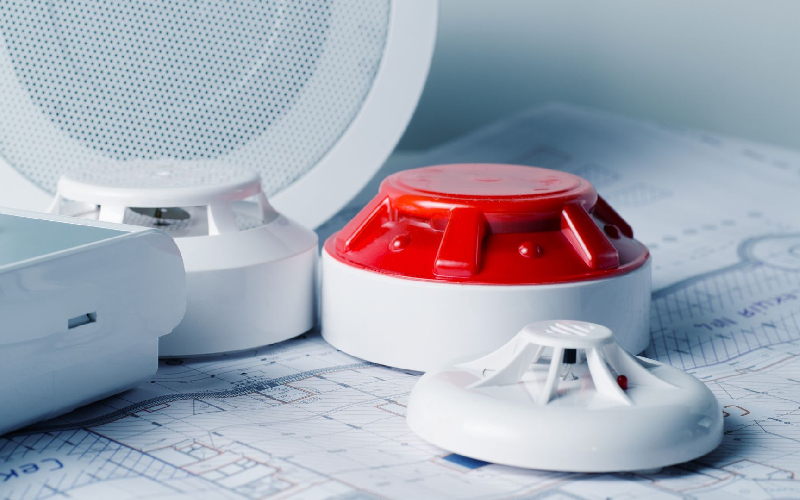
Smoke Detectors: These are the most common fire alarm devices, designed to detect smoke in the air and issue alerts. There are two main types of smoke detectors: ionization and photoelectric.
Ionization Detectors: They work by utilizing the ionization principle to detect smoke. When smoke is present, the ionization process is disrupted, triggering an alarm.
Photoelectric Detectors: They use laser light to detect the presence of smoke.
Heat Detectors: These devices measure the temperature of the surrounding environment. When high temperatures are detected, the sensor sends a signal to the fire alarm control panel, activating the alarm or warning lights.
Survey and Planning:
Assess the area, structure, number of floors, and unique factors of the building. Evaluate areas prone to fire hazards to position devices appropriately. Choose equipment suitable for the type of building, such as apartments, factories, offices, or shopping centers. Create a design drawing for the fire alarm system, identifying where each device will be installed.
Preparation of Materials and Equipment:
Prepare equipment: smoke detectors, heat detectors, control panels, cables, alarm bells, emergency lights, and other accessories. Ensure all equipment meets quality standards and is free of defects before installation. Accurately measure the designated positions on the drawings and mark installation points on walls and ceilings.
Installing Fire Alarm Devices:
Install the central control panel in an easily accessible location for monitoring and controlling the system.
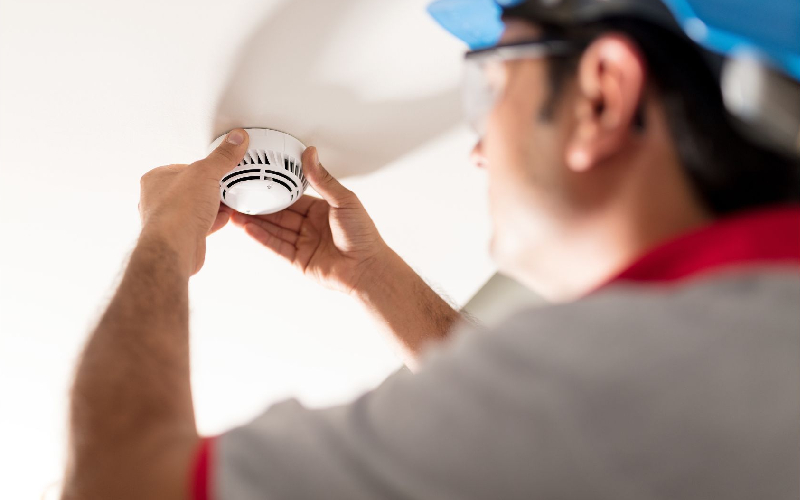
Install smoke and heat detectors at marked locations, ensuring appropriate spacing according to standards.
Install alarm bells and emergency exit lights.
Install emergency buttons in easily visible locations such as exits, stairwells, or escape routes.
Wiring and Connection:
Run signal cables according to the established drawings, ensuring all devices are connected to the central control panel. Make sure connections and plugs are secure to prevent loose wires or intermittent issues.
System Configuration and Programming:
Configure the central control panel parameters according to technical requirements, including setting warning zones and detection thresholds for smoke and heat detectors. Program the system to distinguish alerts for different areas, setting delays when triggered and sensitivity of detectors for flexible operation.
Testing and Commissioning:
Test the operation of each device, including smoke detectors, heat detectors, alarm bells, emergency lights, and the central control panel. Conduct a trial activation to check if all devices operate in sync and respond promptly to alerts. Test warning signals and evacuation procedures.
Acceptance and Handover:
Perform a final check and accept the entire system with the participation of stakeholders such as investors, contractors, and implementation units. Handover completion drawings, technical documents, user manuals, and maintenance plans to the client.
Regular Maintenance and Inspections:
Schedule regular maintenance and servicing for the fire alarm system to ensure optimal functioning of all devices, replacing any faulty equipment as necessary. Regularly inspect the system to ensure accuracy and safety.
Choose a Reputable Installation Unit:
Selecting a reputable installation unit is one of the most critical factors in fire alarm system installation. A reliable unit will provide quality products and ensure consultation and maintenance services after installation. When searching for an installation unit, pay attention to previous customer feedback, the legal records of the unit, and the qualifications of technical staff. These factors significantly impact the quality of work and the safety of the entire project.
Regularly Inspect Equipment:
After installation, regular inspection of the fire alarm equipment is essential. Although devices have been certified, there is no guarantee they will continue to function optimally forever. It's advisable to invite experts to conduct a comprehensive check of the entire system periodically. Regular inspections help identify potential issues early and ensure that the system remains ready for optimal operation. In the event of an incident, having well-maintained equipment can significantly reduce the extent of damage.
Ensure Proper Installation Locations:
The positioning of fire alarm devices is critical; improper placement may hinder their functionality. Each type of device has specific location requirements. For example, smoke detectors should be installed in areas with good air circulation, while heat detectors should be kept away from direct heat sources. Therefore, consult with the installation unit to ensure all devices are placed optimally. This way, you not only better protect your living space but also minimize the risk of potential fire hazards.
Legal Requirements for Fire Alarm System Installation
According to Vietnamese law, fire alarm system installations must comply with TCVN and QCVN standards regarding fire prevention and fighting. Buildings must be equipped with fire alarm systems appropriate to their scale, characteristics, and intended use. The installation unit must possess a license to operate in the fire prevention field and have a team of trained technical staff. After installation, the system must be inspected and certified for safety standards by the competent authorities.
The cost of installing fire alarm systems depends on several factors, including:
The larger the installation area, the higher the cost.
The type of fire alarm devices varies in features and price.
The complexity of the fire alarm system also affects costs.
The quality of materials used impacts the overall cost.
Each construction unit has different pricing.
KPS is an authorized distributor of fire protection equipment from Bosch, GST, and Kentec in Vietnam. We import products directly from the manufacturers, providing complete CO and CQ documentation, as well as comprehensive warranty policies. We are also a company specializing in consulting, designing fire protection systems, and implementing automatic fire alarm systems nationwide. KPS has a team of engineers and technicians who are thoroughly trained and capable of advising on and implementing complex solutions.
For the latest detailed information, please visit our Fanpage: KPS SYSTEM COR
Other news

Signify and KPS sign strategic partnership agreement.
Signify and KPS have signed a strategic partnership to promote smart, energy-efficient lighting solutions for buildings in Vietnam.
View detail

From APEC 2017 Da Nang to APEC 2027 Phu Quoc: From traditional security solutions to smart IOCs.
From APEC 2017 security monitoring solutions to a smart IOC model for APEC 2027 in Phu Quoc.
View detail

Team Building KPS 2026 | Da Nang - Hoi An - Hue
KPS 2026 Team Building journey in Da Nang - Hoi An - Hue, where teams bond, recharge, and spread sustainable values.
View detail

Optimizing air conditioning based on room conditions in hotels and resorts.
Why do 20-30% of hotel rooms still have their air conditioning running even when there are no guests?
View detail

Energy-saving solutions for hotels and resorts - without compromising the experience.
Consulting and implementing EMS systems for hotels - reducing electricity costs, smarter operation - without compromising customer experience.
View detail

Energy Management System (EMS): Cost and Operation Optimization
EMS solutions help businesses monitor, analyze, and optimize energy in real time, saving 10-30% on electricity costs.
View detail
ABOUT KPS


Regulations and policies
Warranty and return policy Delivery, payment, and feedback Giấy phép kinh doanhContact Information
HO CHI MINH OFFICE
10–12 Dong Van Cong Street, Cat Lai Ward, Ho Chi Minh City.
+842839976099 / 903 709 019
info@kps.com.vn
www.kps.com.vn
Work time
Monday – Friday : 8:00 AM - 17:30 PM
Saturday - Sunday: Off
HA NOI OFFICE
22 Alley 168 Nguyen Xien, Khuong Dinh Ward, Hanoi City
+84 903 709 019
kpshn@kps.com.vn
www.kps.com.vn
Work time
Monday – Friday: 8:00 AM - 17:30 PM
Saturday - Sunday: Off
DA NANG OFFICE
490 Nguyen Tri Phuong, Hoa Cuong Ward, Da Nang City
+84 903 709 019
kpsdn@kps.com.vn
www.kps.com.vn
Work time
Monday – Friday: 8:00 AM - 17:30 PM
Saturday - Sunday: Off
CAN THO OFFICE
11/11 Tran Binh Trong, Ninh Kieu Ward, Ninh Kieu District, Can Tho City.
+84 090 709 019
kpsct@kps.com.vn
www.kps.com.vn
Work time
Monday – Friday: 8:00 AM - 17:30 PM
Saturday - Sunday: Off
SERVICE CENTER - WAREHOUSE
10–12 Dong Van Cong Street, Cat Lai Ward, Ho Chi Minh City.
+ 84 28 3997 0609
baohanh@kps.com.vn
www.kps.com.vn
Work time
Monday – Friday: 8:00 AM - 17:30 PM
Saturday - Sunday: Off
2010 © Bản quyền thuộc KPS
Online: 16 | Visitors Counter: 17286055
About | Recruitment | News | Contact Us


